Effectively tracking return on investment (ROI) is something you’re probably already doing in most areas of your business, from labor optimization to asset management. But are you tracking ROI for your construction software, too?
The cost-benefit analysis for software is more complex to calculate than hard costs, but it’s no less important to understand exactly how construction software is impacting your bottom line. According to a recent study, suboptimal communication and data management are costing the construction industry $177 billion per year. That’s a lot of money on the table.
We see big numbers at the individual customer level, too. One customer saves 10-20 hours per week using Propeller, which translates into tens of thousands of dollars per year. That’s a huge cost savings—but they wouldn’t know it without tracking the return on their spend. Exact data around the impact of their software budget empowers them to make informed decisions with their business and scale more effectively.
Here’s the simple, four-step process to tracking your construction software ROI.
Step 1: Define success
Consider your company’s goals and how construction software contributes to those goals. What’s the most meaningful improvement you’d expect to see in your business by using a specific software?
Common goals are:
- Saving time, money, or both
- Optimizing labor
- Improving efficiency
- Winning more bids
What will achievement of your goal mean to your organization? Without a clear picture of what you’re trying to achieve and why, it’s next to impossible to track success of a software in a meaningful way.
The metric you choose should be reasonably within the control of the software you purchase, and something you’re already comfortable tracking.
To that end, make sure that your goal is quantitative. Many companies make the mistake of looking for a “soft” return, like wanting projects to “run more smoothly.” Without an objective measure of success, you won’t get a clear picture on whether your investment is paying dividends or not.
Also, keep in mind that these goals will evolve over time. You’ll re-evaluate as you hit initial targets and as your business scales. The ultimate goal is to be able to answer the question “is this software a benefit to my business?” when it comes time to renew.
Step 2: Calculate true cost of ownership
The full cost of construction software doesn’t stop at the sticker price. It’s important to factor in all of the components, including:
- Software licensing fees
- Additional hardware or software required
- Time to implement and administer long-term
- Time to train users on use of the software
- Time spent troubleshooting issues
- Cost to scale
If you’re evaluating a new software, you’ll have to make an educated guess at the time cost of using it. For software currently in use, keep track of the hours employees are spending on training, administration and troubleshooting, and compare those hours against time savings.
Don’t forget that employee time is likely your most expensive resource, so you’ll want to take it into account when you’re weighing the cost—and benefit—of construction software.
Step 3: Set clear goals
Now that you understand your metric for success, set realistic goals for how your construction software can make a positive impact to your business. Do you expect to see the time and resources spent on rework go down by 25%? 50%?
Having an exact goal will give you something to measure your progress against.
Step 4: Track, track, track
All that’s left is to observe the metrics you selected. Assess your construction software’s impact against the total cost of ownership and the progress you’ve made toward your long-term goals. Then, continue to reassess and track as your objectives change.
As your company scales and usage of your software evolves over time, you’ll want to continue asking questions like:
- Does our ROI goal still make sense?
- Does our goal still align with our highest priorities?
- Are the right people using the software regularly?
- If yes: What is their response? Do they like it? What other positive progress have they observed? You may want to incorporate their feedback into future measurable goals.
- If no: Is that a software problem, or a process problem?
It’s helpful to compile your results over time into a graph that helps identify trends, like this:

Keep an eye—and an ear—out for additional benefits beyond your target metrics, too. If your success criteria is decreasing your surveyor’s time in the field, you may also see benefits in prevention of rework or reduction in conflict with sub-contractors. Be sure to factor these benefits into the overall equation to give you a 360-degree view of the impact your construction software has on your business.
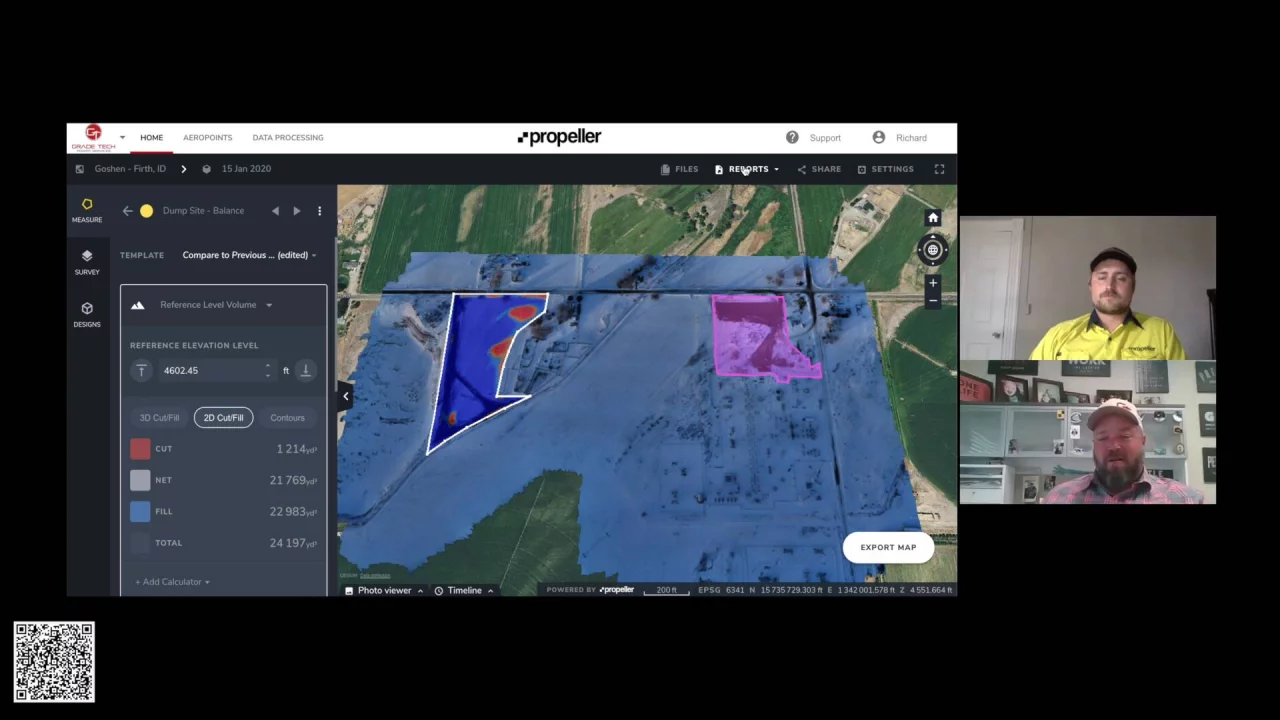
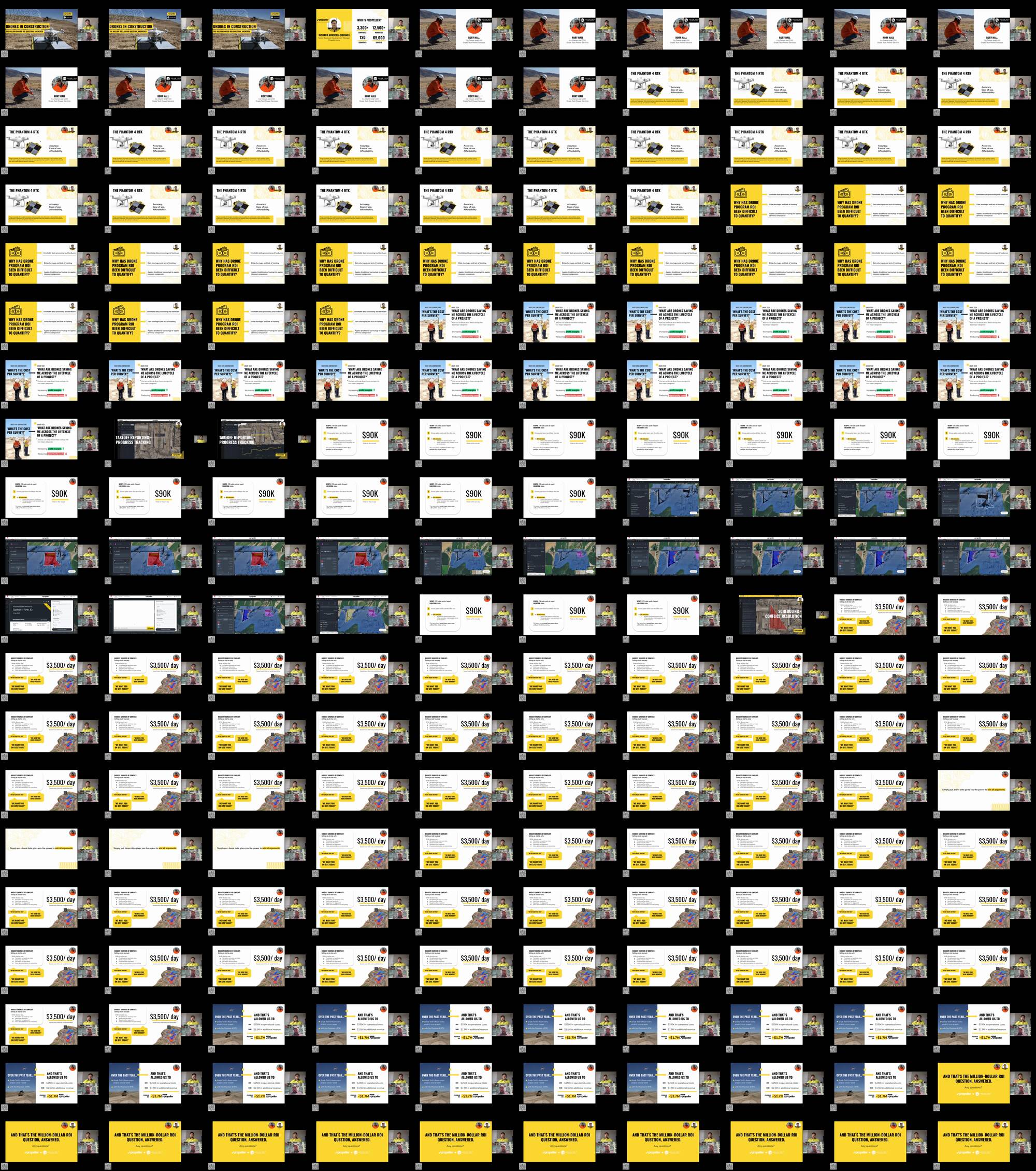
A lot of our customers have mastered ROI tracking, and have an exact formula to calculating the value of our software and hardware over time. At a recent conference, we co-presented with one of our active customers, Grade Tech Power Services, to dig into what that formula looks like in practice. Here’s a recording of the presentation…
Understanding your construction software ROI is critical to making informed decisions as you scale
Document each step of the process, particularly your progress against your goal. Keep this cost-benefit analysis top of mind so you’re prepared to accurately gauge whether to renew or expand when your contract lapses.