Construction project management (PM) isn’t your typical project management gig. It’s the PM’s job to oversee a project from start to finish, delivering the agreed result on time and on budget—all in a unique industry with variables that are constantly changing.
It’s no surprise that the list of project management functions according to the Construction Management Association of America ranges from public relations to bidding to budgeting. Construction PMs wear a lot of hats, and it takes a precise skill set—plus a few select tools and strategies—to keep projects running according to plan.
In this post, we’ll share the seven construction project management tips that we’ve seen make the difference between a satisfied client and an epic fail.
#1: Develop a plan
If you don’t know where you’re going, you can’t get there. That’s why every successful project starts with a planning and scheduling phase. Take the time to comb through all plans and specifications to get a handle on the entire project scope. Next, collaborate with your team to generate a plan that accomplishes the full scope as efficiently as possible.
Project designs and linework lay out the desired result of a project, but it’s up to PMs to organize the manpower, materials, tools, and equipment to achieve that result.
Once you have a plan on paper, run it by all stakeholders, including subcontractors and suppliers, to verify that you’ve set down realistic milestones. It’s far better to set everyone’s expectations up front than to have hard conversations about unachievable goals mid-project.
#2: Expand industry knowledge
McKinsey estimates a $2 trillion infrastructure gap in the United States alone—a gap that’s well on its way to being funded thanks to recent legislation. That’s a lot of upcoming projects, and PMs who thoroughly understand the industry will be the best prepared to keep pace.
Understanding the challenges and opportunities facing construction projects is a core skill. The best PMs stay informed of new technology, practices, and materials to keep their industry knowledge sharp.
Digital Builder cites “perpetual learning” as one of the top skills every successful construction PM must have, and for good reason. PMs with the latest industry knowledge keep their firms ahead of the competition by capitalizing on the latest knowledge and techniques like advanced tech and lean methodologies.
#3: Choose construction-specific tools
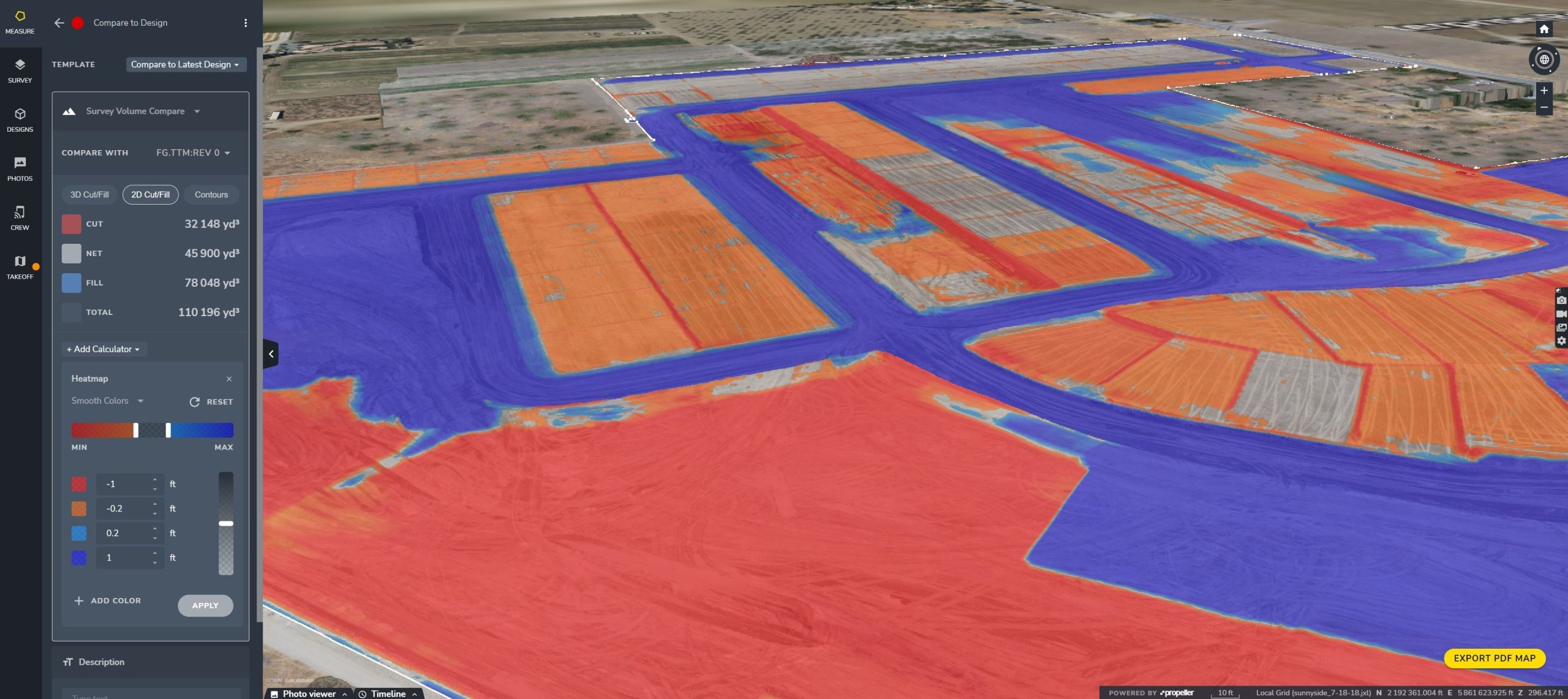
This probably goes without saying, but construction PMs have much better luck with construction-specific tools created with their needs in mind. Needs like accessible cloud-based software and specialized tools that account for the nuance of an earthworks project.
Don’t waste time and energy trying to shoehorn a generic tool into your specific use case when a construction-specific tool would serve you better. For example, CMAA found that 42% of firms saw improved accuracy after adopting construction-specific estimation software—a massive bump over firms generating manual estimates or using generalized tools. An accurate estimate or project takeoff can make the difference between a profitable project and a loss, so it’s critical to get these tools right.
#4: Stay connected
Communication is critical at every stage of an earthworks project. It’s also one of the toughest challenges construction PMs face as they work to keep open lines of communication between office workers, field teams, subcontractors, suppliers, clients, and others.
Transparency makes communication infinitely easier—but what’s the best way to keep information transparent with teams who are scattered across physical locations and focused on different work?
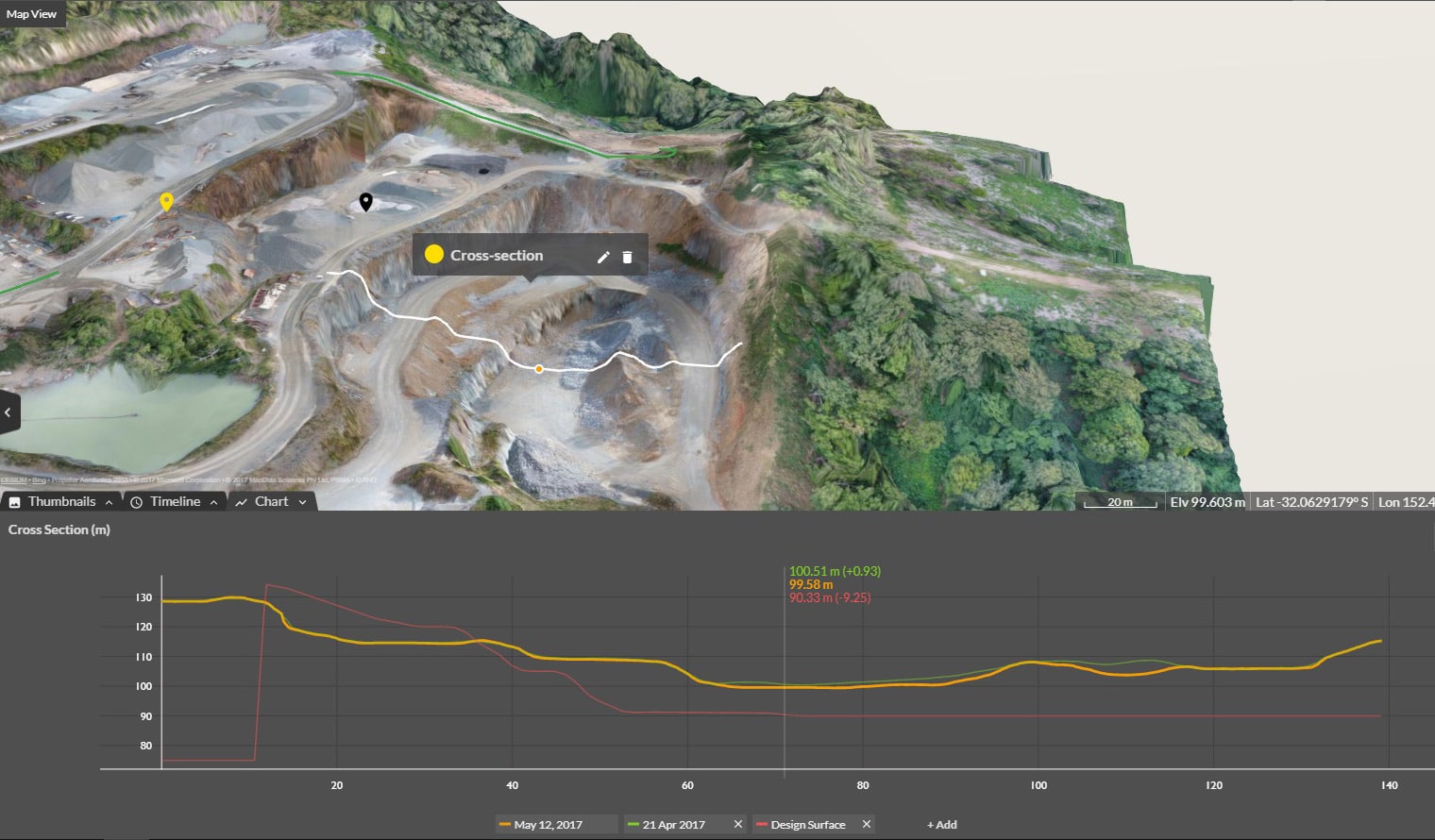
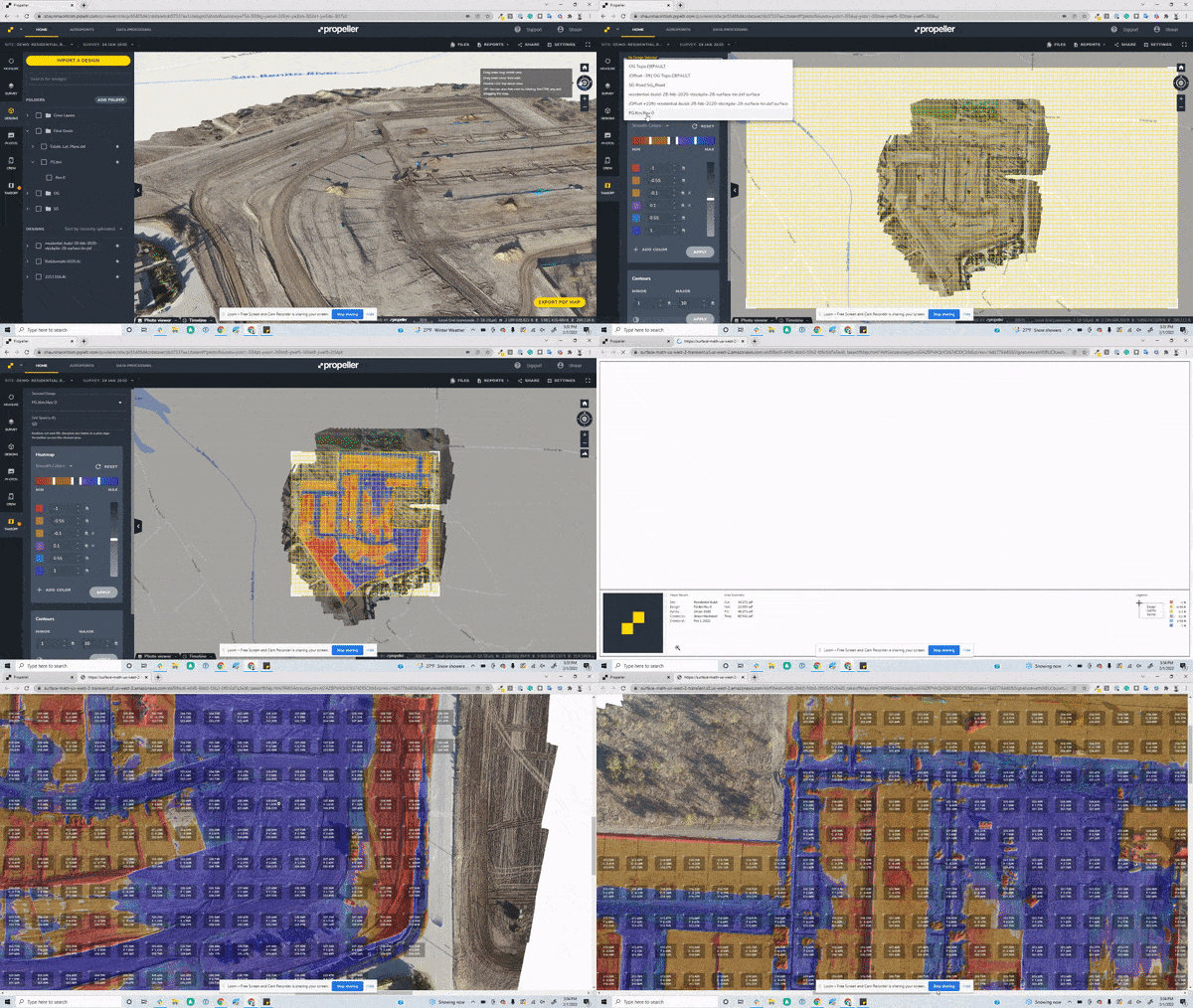
Prioritize real-time communication tools that provide a single source of truth and a centralized communication platform. By syncing designs, surveys, and other project data in one location, everyone involved can stay up to date and in touch as a project evolves.
#5: Collaborate with the team
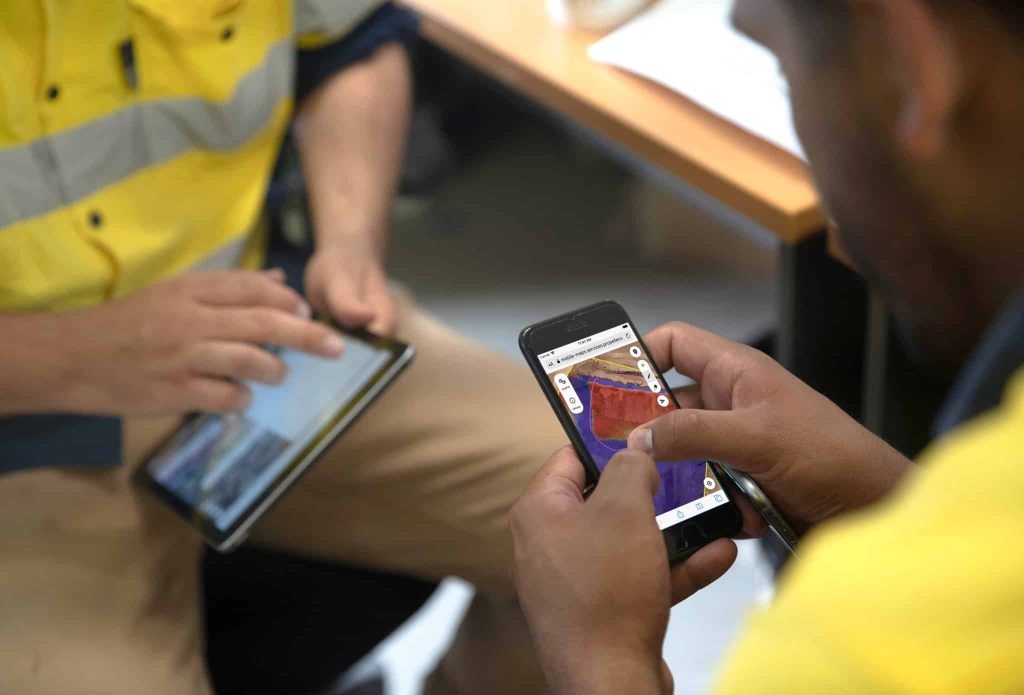
Traditional construction tools have been costly and tough to share across stakeholders. At hundreds or even thousands of dollars per license, one or two people in a firm might have access to specialized software, but that’s it. As a result, data was often siloed, making collaboration impossible.
Thanks to cloud-based, easy-access tools, it’s easier than ever to keep teams connected and on the same page.
#6: Manage time
Construction project managers are constantly getting pulled in different directions—no surprise, since they’re involved in nearly every aspect of a project. But even minor involvement adds up in a big way. In 2019, McKinsey found that the average office worker spends almost one-third of their workday on email—and that’s just an average, not accounting for the coordination-heavy workload of a PM.
That’s a lot of time to account for, and the PM’s time isn’t the only concern; hourly workers in the field are also a significant expense for earthworks contractors. Any wasted or misused crew time represents a serious investment.
Over- or underestimating labor requirements can cost thousands of dollars a day, so efficient and accurate use of labor is essential to keep projects on time and on budget.
Keep your project plan updated with an accurate real-time view of a project to optimize labor and time, and keep action lists ranked in priority order. In earthworks, time-sensitive tasks are almost always the most important, so don’t waste time on “urgent” tasks like email if something more pressing needs your attention.
#7: Embrace automated reporting
Automated notifications, alerts, actions, and reports are coming to the rescue of construction project managers. No single person has the time to respond to hundreds of emails a day—at least, not while getting anything else done. Streamlined reporting systems help project managers keep stakeholders informed and on the same page without manually generating regular updates.
Automation ensures that the right information reaches the right people on time, saving your focus for other tasks and project details that do need your expert attention. It can also help PMs stay on top of critical items like worksite safety and incident tracking without allowing them to fall by the wayside until it’s too late.