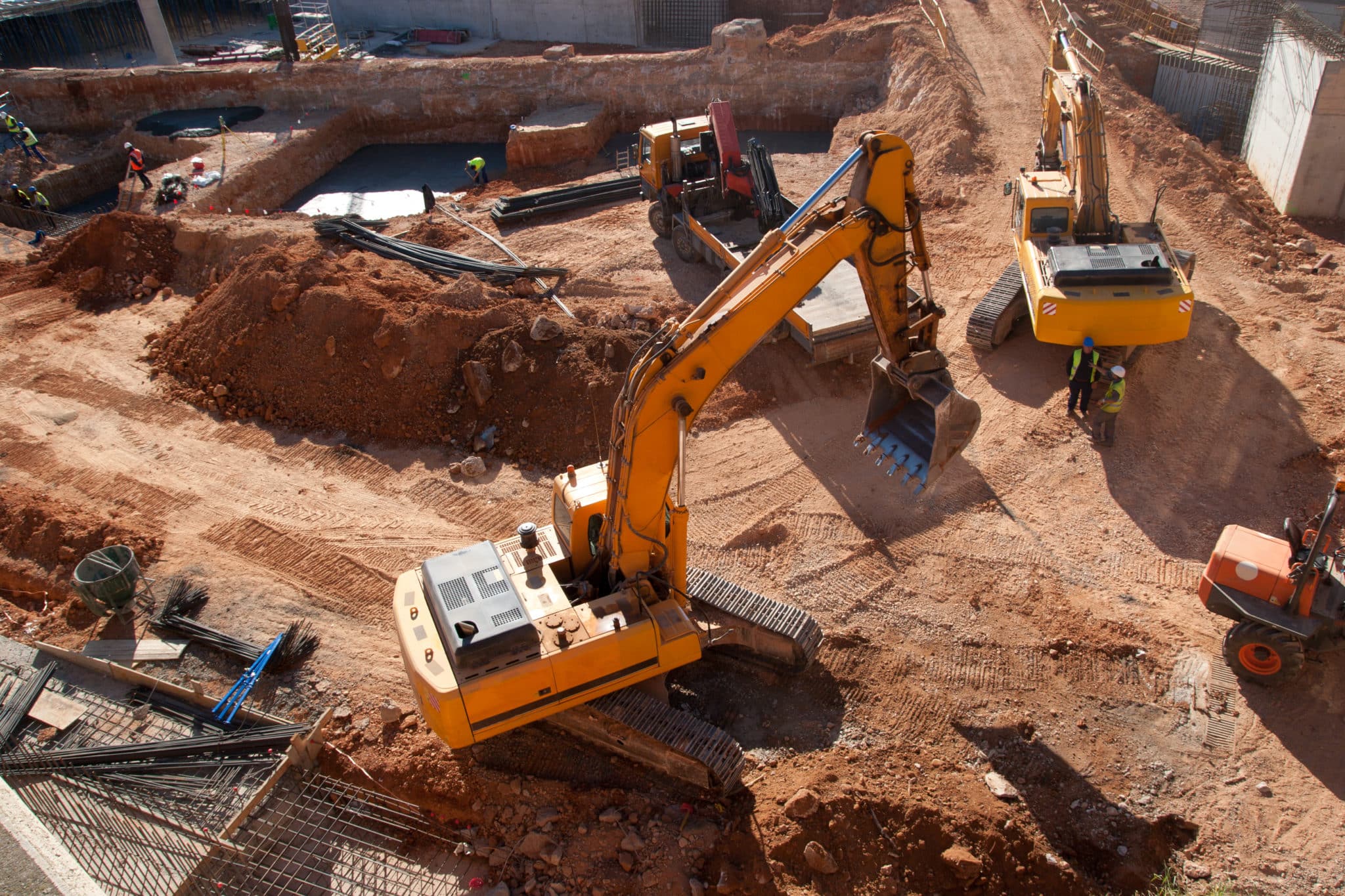
It’s no secret that construction sites are dangerous. The non-fatal injury rate in construction is 71% higher than that of any other industry, and according to the Centers for Disease Control and Prevention (CDC), approximately 1,000 workers die on worksites each year.
The “fatal four” causes of death on worksites, according to the Occupational Safety and Health Administration (OSHA), are: falling, getting struck by an object, being electrocuted, and getting caught in or between objects.
These are scary stats, and contractors are taking action to address them and improve worksite safety.
One key step toward managing risk and keeping workers safe is adopting advanced technology.
Construction has historically lagged behind most industries in technology adoption, partly because software and hardware weren’t quite predictable enough to replace traditional methods until the last few years.
Now that technology—and drone surveying in particular—has become increasingly common on worksites, contractors are seeing a significant improvement in projects across the board: lowering cost, optimizing labor, and improving worksite safety.
Here are the top three ways we’ve seen drones improving safety conditions on construction sites.
#1: Survey worksites remotely
In the past, accurate site surveys required a surveyor to manually walk the site with a base and rover.
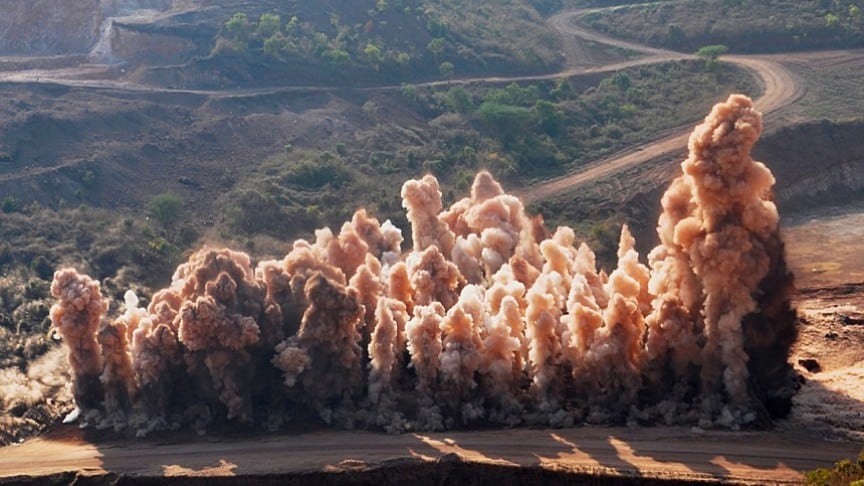
This traditional process is expensive and time-consuming, not to mention dangerous. The terrain is often unstable or hazardous, and on an active worksite, there’s lots of heavy equipment on the move.
(Remember, two of the “fatal four” are falls and getting struck by heavy objects like construction equipment.)
Over the past 45 years, there has been a 1 in 200 chance that a construction worker would die in a worksite accident, and a shocking one in five worker deaths annually have been in the construction industry.
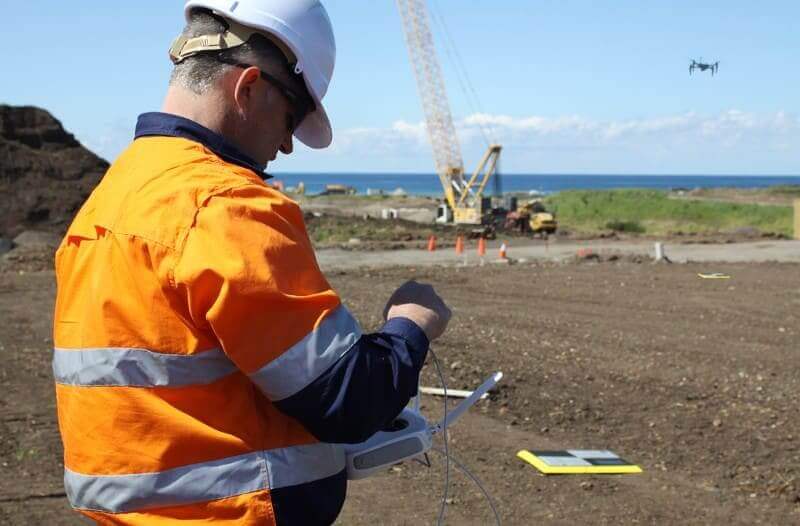
Today, contractors are leveraging drone technologies and data processing like Propeller PPK to minimize risk and keep workers safe, which largely involves keeping them away from worksites as much as possible.
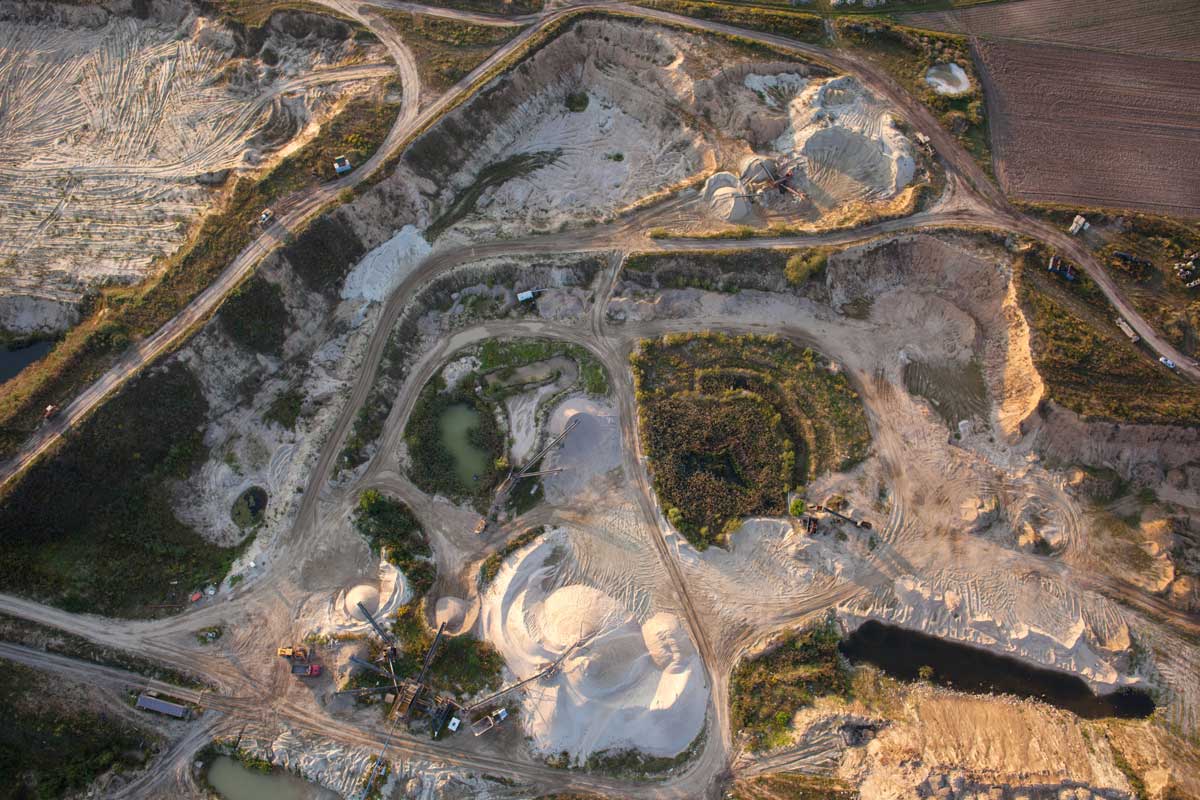
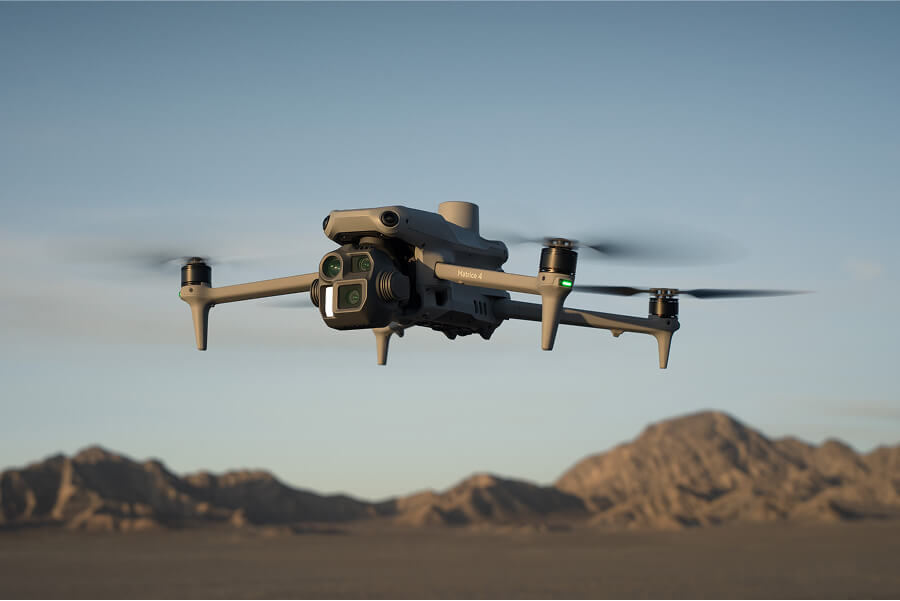
Drones enable surveyors to get accurate, survey-grade data on a worksite without having to walk the entire site.
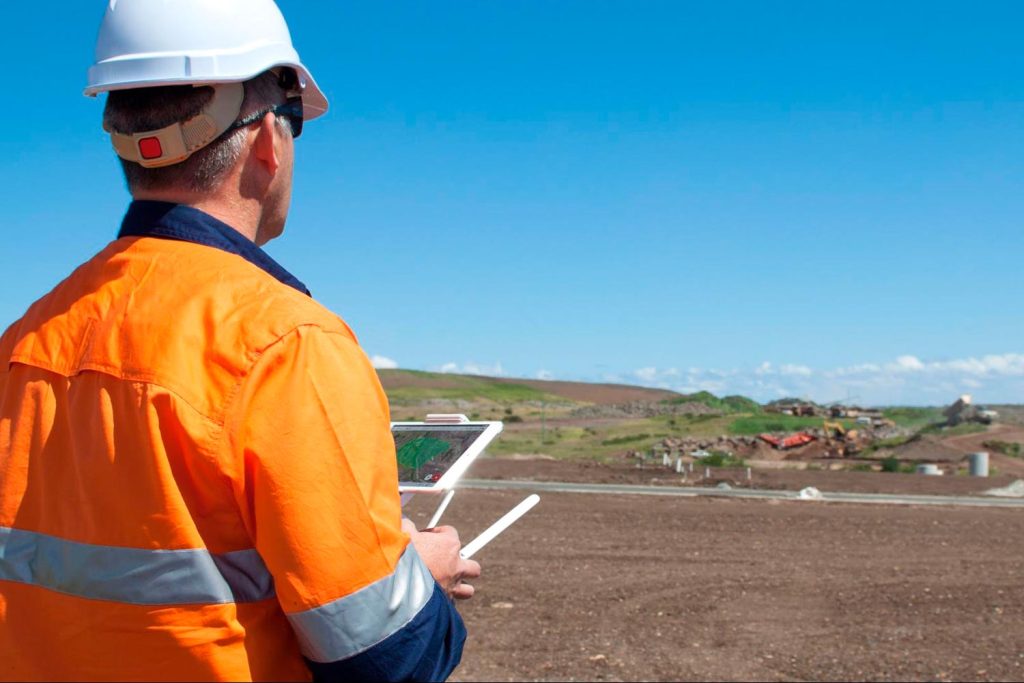
Because they’re so easy to complete, drone surveys can be done at any stage of a project, from pre-bid surveys and takeoffs to project completion, with regular surveys along the way to track progress.
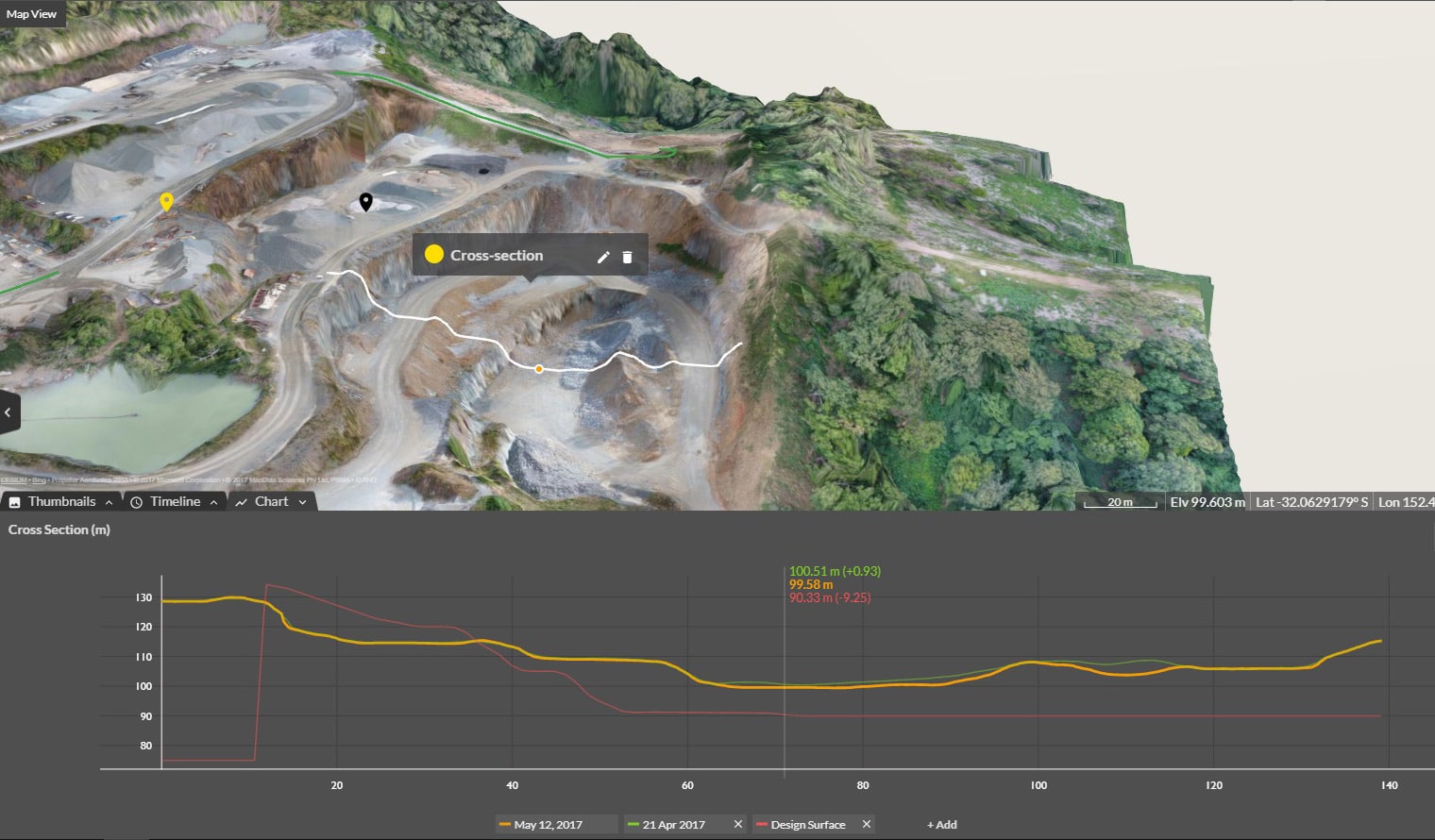
Measure stockpile volumes, calculate cut/fill, compare against design, and complete other key project milestones from safe, stable ground, while your drone flies over dangerous terrain.
The ability to complete necessary site surveys more often, with far less risk, has enabled contractors to demonstrate that their worksites are both safer and more efficient.
#2: Assess hazards on an active worksite
When it comes to keeping sites safe for workers, the best case scenario is identifying, flagging, and correcting safety hazards before they’re ever an issue. Drones are the best way to do just that.
The time to learn about a dangerous grade on a worksite is not when a takeoff team is on the ground with a base and rover. It’s before anyone ever stumbles upon that grade (literally), from the safety of solid ground.
Drone surveys can be completed in just a few minutes, and used to create detailed, accurate 3D maps without traditional ground control.
Propeller’s workflow enables customers to simply place a single AeroPoint on the ground, fly the site, and upload the data. That kind of speed makes it easy to keep everyone up-to-date on the condition of hazardous areas as worksites change over time.
In addition to keeping an eye on known hazards, drones are useful in maintaining proactive safety standards as well The highly accurate 3D maps generated from drone photogrammetry can measure key safety metrics, including:
- Haul road grades
- Berm heights
- Cell slope integrity
- Contouring
- And other site conditions
If hazardous conditions arise, Propeller’s add-on Crew technology enables teams to communicate in real time so everyone stays up to date.
#3: Walk stakeholders through a 3D site map
The more people you have on a worksite, the more likely an injury will occur, which is why the approach to worksite safety is twofold:
- Adopt any measures necessary to make job sites safer
- Minimize the number of people on-site at any given time
In the days before modern construction software and hardware technology, it was often necessary to walk clients and other key stakeholders through an active worksite to demonstrate progress or explain delays, exposing them to risk in the process.
Thanks to high-accuracy 3D site maps created by drone photogrammetry and assimilated in the Propeller Platform, contractors can share progress tracking data and real-time images with everyone who needs to see them.

Walk the team through a virtual landscape instead of a physical one, further reducing any risk of a safety breach and enhancing communication in the process.
It’s much easier to grant stakeholders access to reporting and even real-time 3D mapping than it is to take them through a site—and many times, data visibility is much richer on the other side of a screen. For example, stakeholders can simply point and click to measure stockpile volumes or see how much cut/fill is left to go, paving the way for streamlined communication.
All told, drones are a cost-effective and efficient way to level up safety on construction sites. As the adoption of drone surveying programs continues to expand, we expect to see a dramatic reduction in worksite injuries and fatalities, too.