Post-clearing verification: Find your first change order before day one
There’s a short window between clearing a site and moving dirt. It’s easy to miss, but it’s one of the most important moments in an earthwork project.
This is your last chance to verify existing ground before costs start compounding.
The teams that use it catch problems early. The ones that don’t usually find them later, when it’s already expensive.
The most expensive conversation in earthwork
It usually starts with “something’s off.”
Every project manager knows the moment. Crews are mobilized, first grades are being checked, and something doesn’t line up.
From there, the questions stack up quickly. How far off is it? What does it do to the material balance? Who owns the problem?
And underneath all of it: did the margin just disappear before work even started?
Post-clearing verification determines whether that conversation happens before or after it becomes expensive.
What post-clearing verification actually is
A narrow window with high leverage.
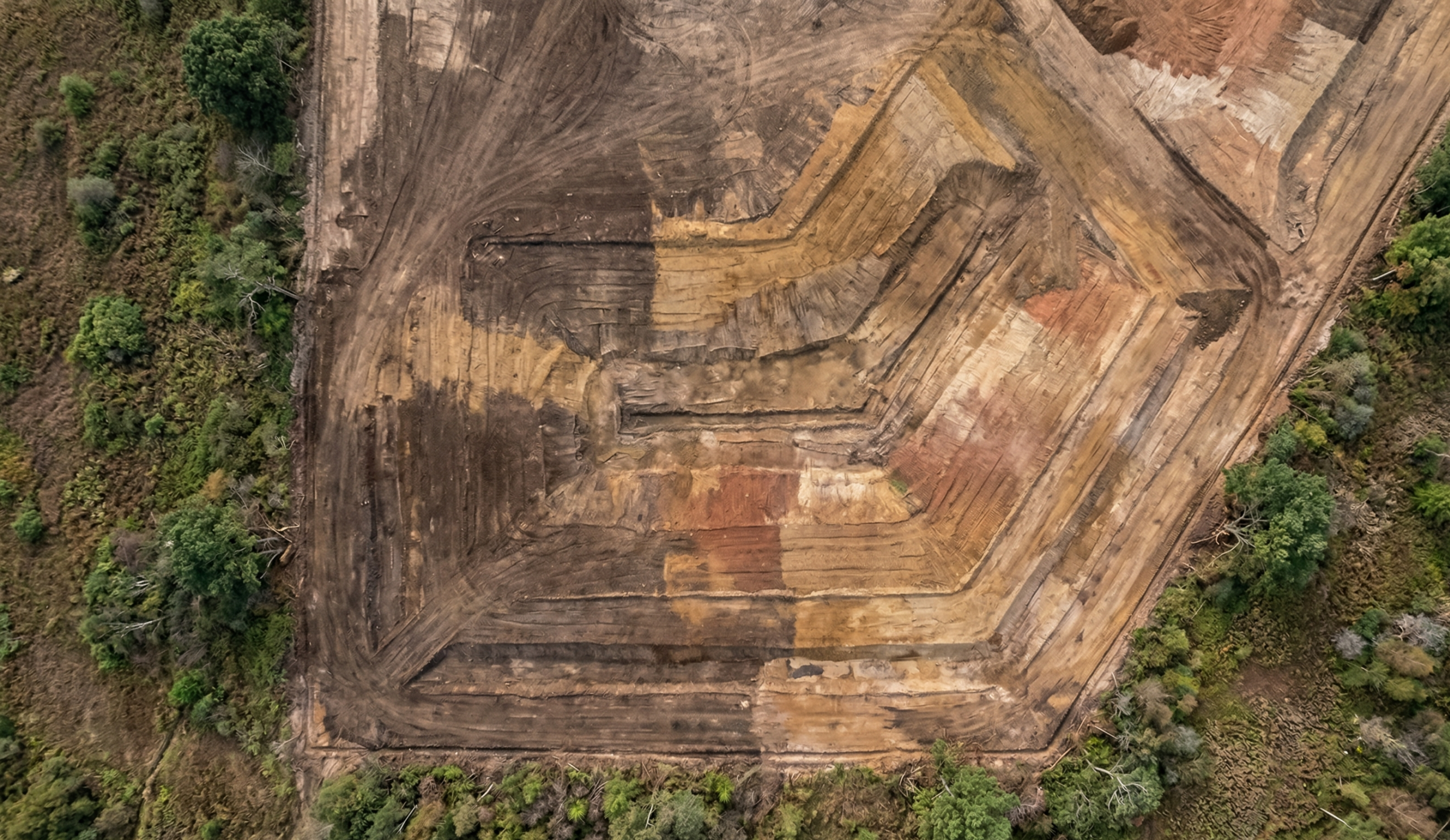
Post-clearing verification is a survey captured after clearing is complete, but before mass earthworks begin.
It records the site when bare earth is fully visible for the first time and before any meaningful material movement.
This moment combines two critical advantages:
- Full visibility of actual ground conditions
- Maximum ability to correct issues before cost compounds
It’s the last point where a discrepancy can be addressed cleanly through planning or a change order.
Why most teams discover errors too late
By the time it’s visible, it’s expensive.
Most projects only verify ground conditions mid-project, after work is already underway.
At that point:
- Equipment and crews are working against the wrong quantities
- Material has already been moved incorrectly
- Schedules are built on flawed assumptions
- The original ground surface no longer exists
Without a recorded baseline, proving what the site looked like becomes nearly impossible.
Same project, different outcome
Timing changes everything.
One project showed a 12,000 cubic yard import in the bid package. A verification survey run before earthworks began revealed a 19,000 cubic yard discrepancy.
The job was actually a 7,000 yard export.
Catching that early meant recalculating and moving forward with the right plan. Catching it late would have meant rework, cost overruns, and a dispute with no proof.
Being right without proof isn’t enough
Documentation changes the outcome.
Most change order disputes follow the same pattern. The PM identifies a discrepancy, but can’t prove what the original ground looked like.
Without a verified baseline, the conversation turns into interpretation versus interpretation.
A post-clearing verification survey creates a timestamped, georeferenced record of the site before work begins.
That record turns an argument into evidence.
Why import/export risk matters most
The biggest cost driver in earthwork.
Import/export balance is calculated from the difference between existing ground and finished grade.
If existing ground is wrong, the entire calculation is wrong.
That leads to:
- Material brought on site unnecessarily
- Excess material requiring removal
- Schedules built around incorrect assumptions
- Operations set up for the wrong type of job
Post-clearing verification recalculates that balance before any of these costs occur.
How post-clearing verification fits your workflow
Simple to add, high impact.
Most teams integrate verification as a standard step between clearing and earthworks:
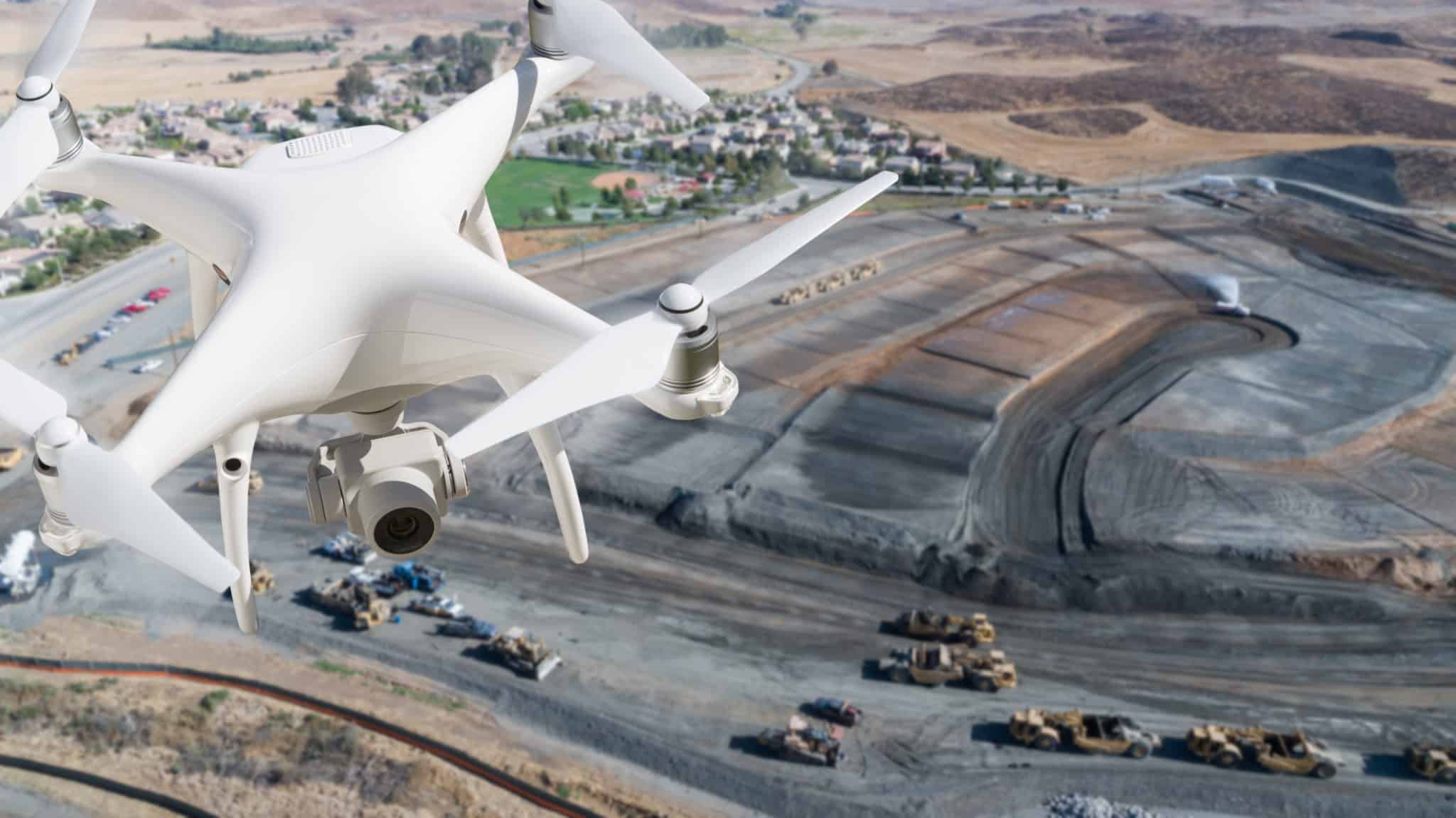
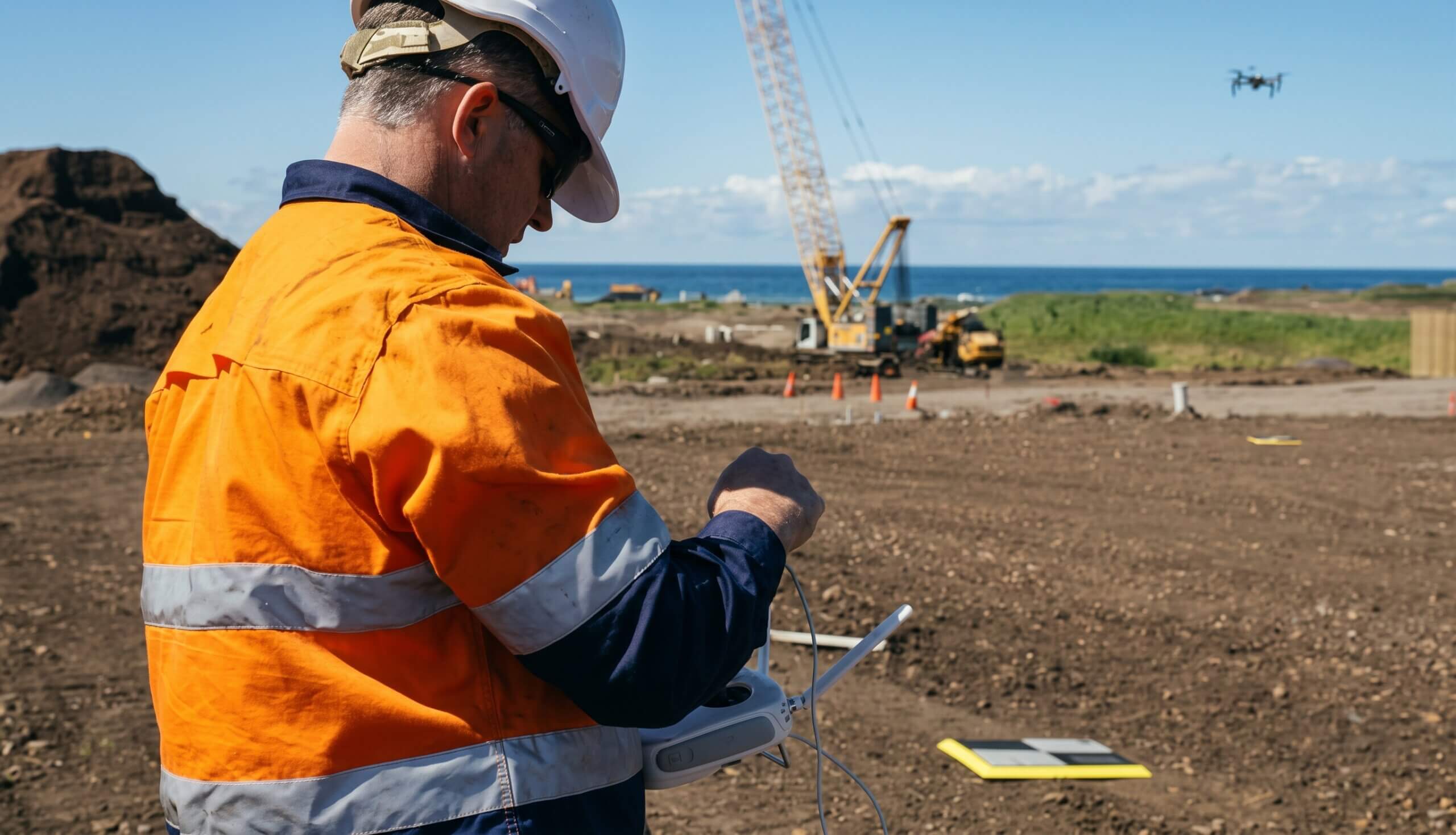
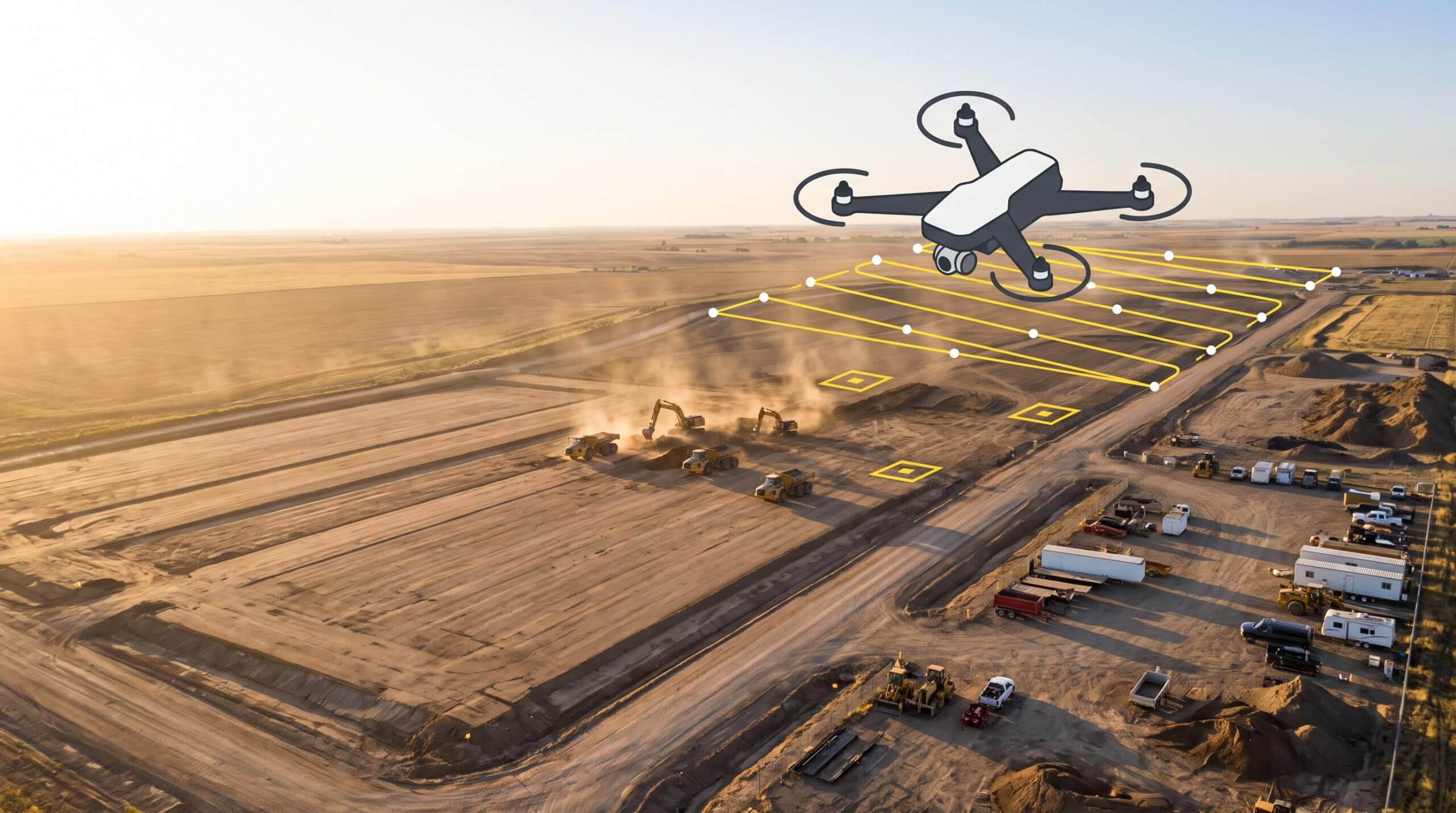
- Capture the cleared site with a drone survey
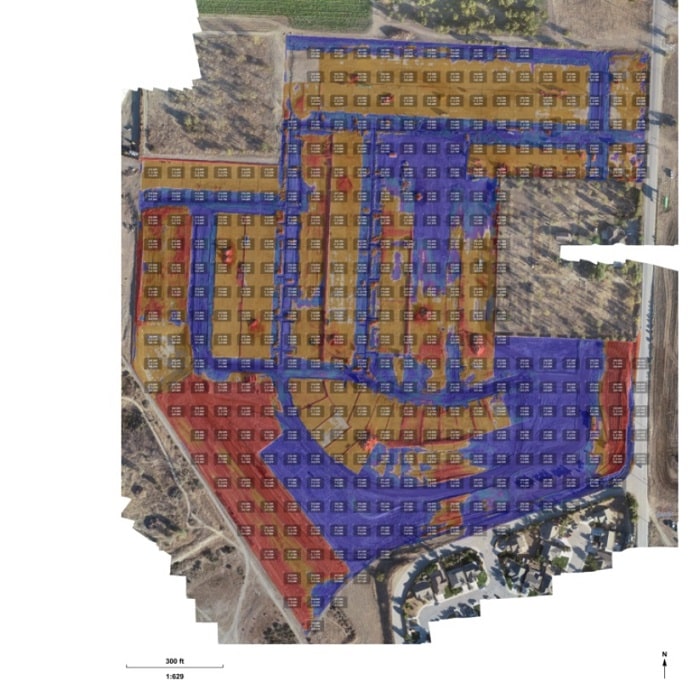
- Process into a georeferenced 3D surface
- Compare against design and original bid quantities
- Recalculate import/export balance if needed
- Document discrepancies before work begins
The full process typically takes a day. On a multi-week project, that’s a small investment with significant upside.
TL;DR: Why post-clearing verification matters
- It’s the last chance to verify existing ground before costs escalate
- Most projects identify errors only after work has started
- A verified surface provides proof for change orders
- Import/export accuracy depends on correct existing ground
- A shared map aligns teams and reduces disputes
Find mistakes before they cost you
Use the last window that still works in your favor.
The gap between clearing and earthworks is your final opportunity to validate what you’re working with. See how Propeller helps project managers verify existing ground and prevent disputes before they start.