Accurate drone survey data helps earthworks teams bid competitively, then keeps proving progress and protecting margins from groundbreaking through completion.
DirtMate Centimeter-level machine guidance and fleet telematics for earthmoving
AeroPoints High-accuracy ground points for faster, reliable surveys
Propeller CAD AI-powered earthworks design built directly on your real survey terrain
Drone & hardware integrations Connect Propeller with your existing tools seamlessly

Accurate drone survey data helps earthworks teams bid competitively, then keeps proving progress and protecting margins from groundbreaking through completion.
The earthworks project bidding process has traditionally been a balancing act between submitting a competitive bid that wins the project and keeping the company profitable. Accurate data is critical in the bidding process, especially on large-scale earthworks projects.
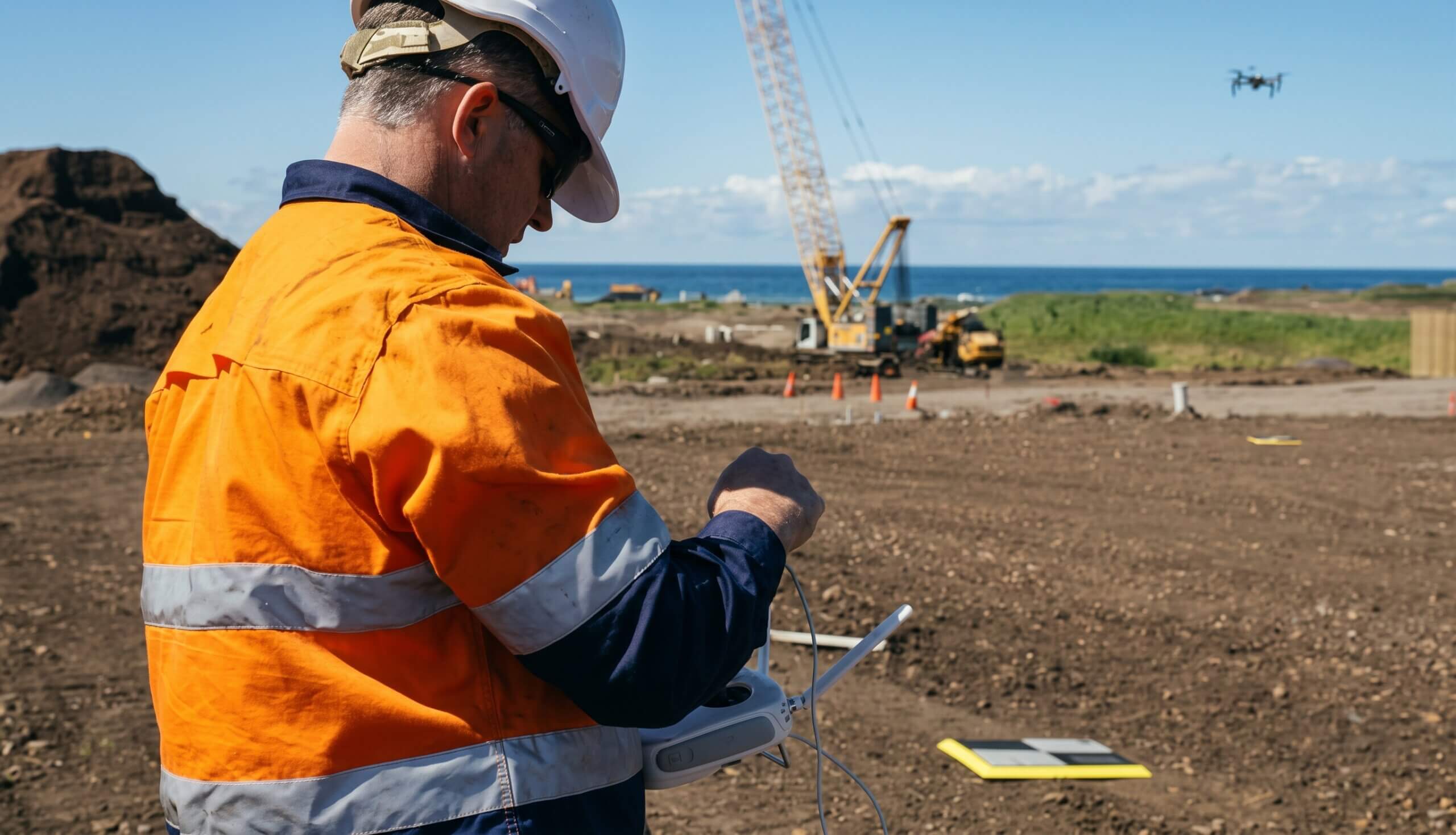
Although bids have traditionally been proposed based on the overseeing engineer’s final design and data on current ground conditions, drone survey data is now rising in popularity to validate the design and keep estimates accurate, not just at the start of a project but throughout. Survey teams can capture a high-precision measurement of material quantities on worksites, helping teams check bids and generate a reliable estimate of the costs and requirements needed to get the job done. Drone surveys stay useful for the entire duration of an earthworks project, helping teams track progress and maintain accountability to clients.

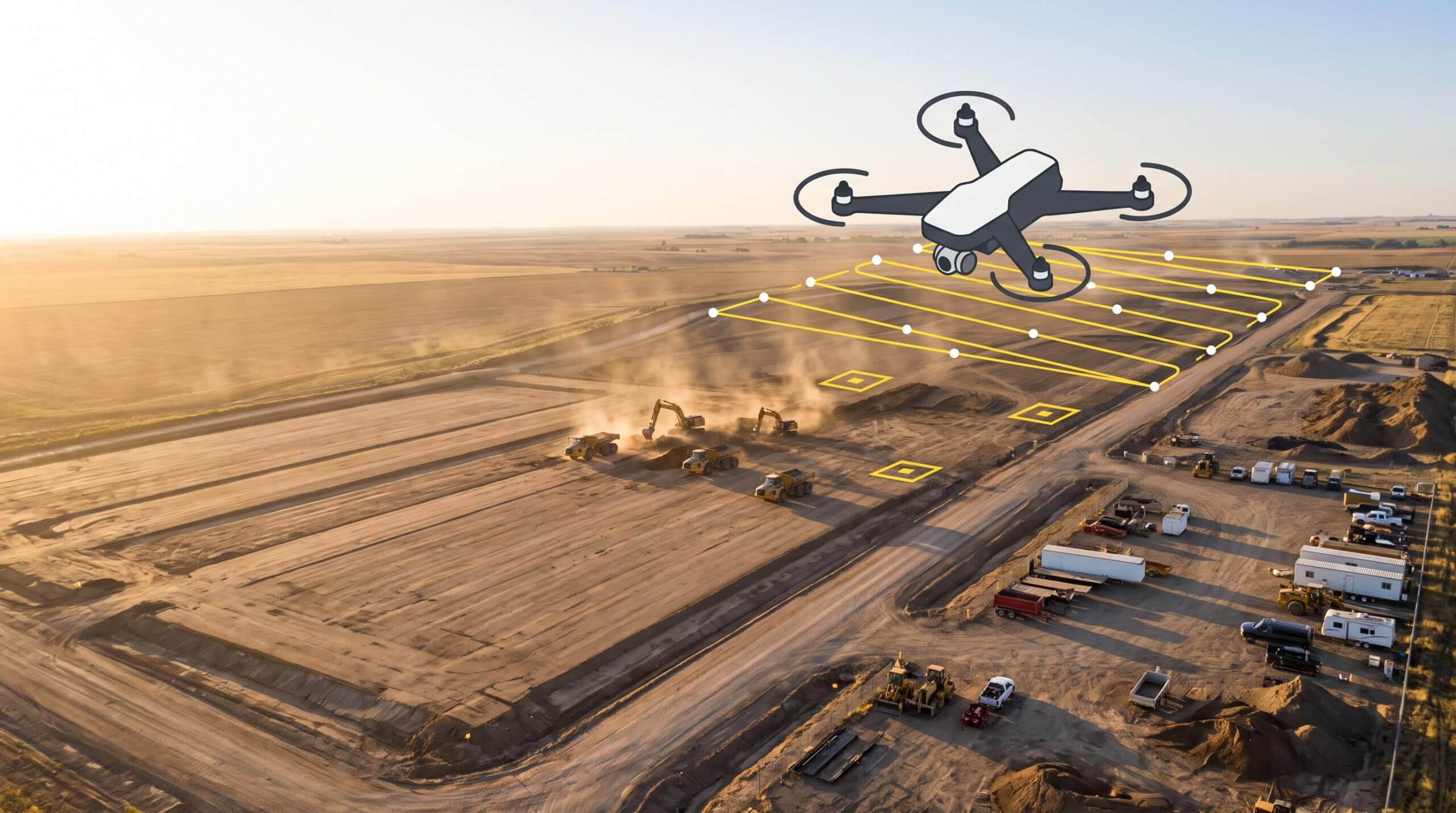
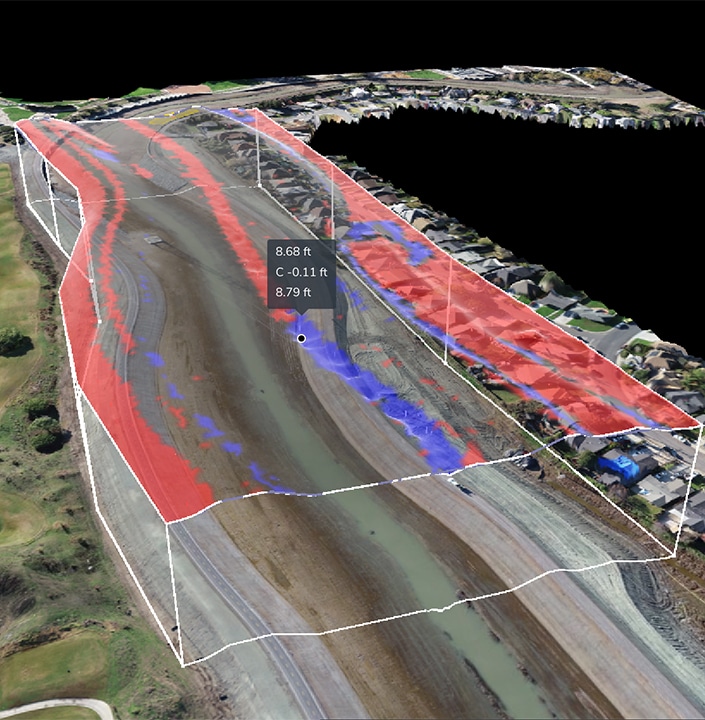
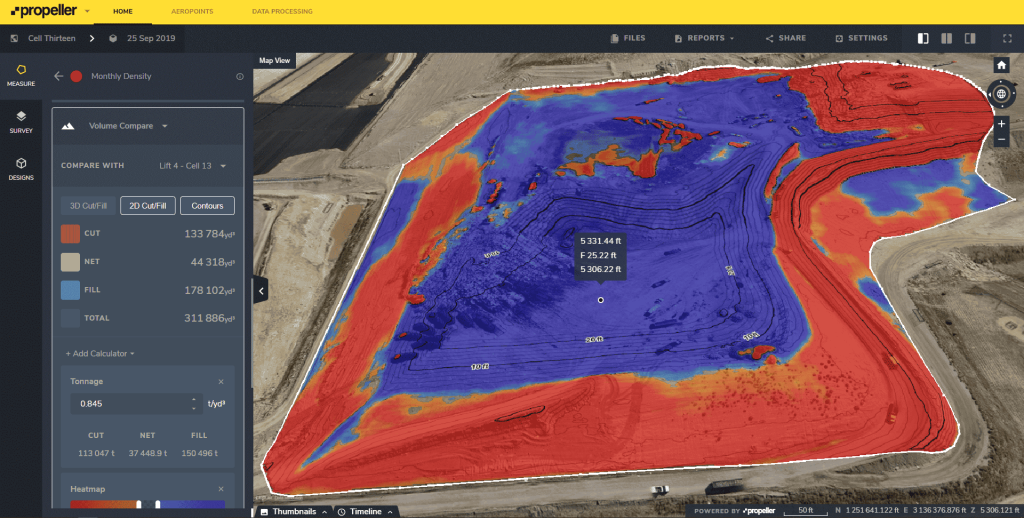
Many construction firms are using drones before ever breaking ground, capturing crucial preliminary information that lets them measure cut-fill volumes at a given site. The data captured during the drone survey is used to build a digital representation of the site as quickly as possible, giving contractors a clear idea of the exact volumes that need to be moved based on the final design. Flying a drone before making a final bid helps contractors avoid underbidding, which can lead to a net loss on the project, while also avoiding overbidding, which can send a client to a competing firm. In short, drone surveying helps firms craft competitive bids while protecting their margins.

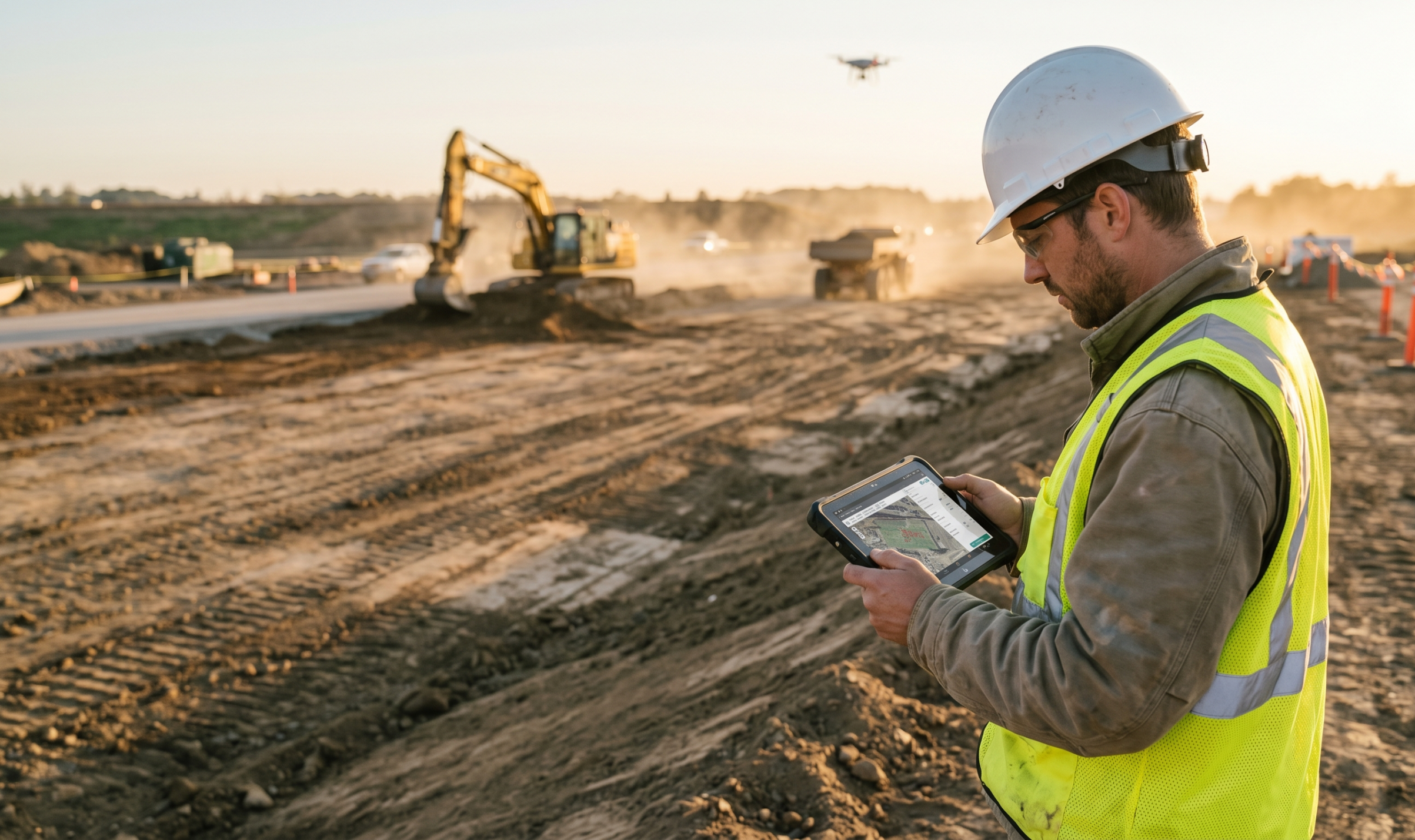
Using drone technology early in an earthworks project, and continuing to use it throughout for progress tracking, gives earthworks crews several distinct advantages and keeps clients satisfied for the duration of the project. Using drone analytics software like Propeller to create 3D topographical maps of a worksite lets contractors produce regular progress reports and keep one shared record for the project. Progress reports keep clients up to date on work completed on site, providing the data and visuals needed to verify that the project is staying on track and on budget.
By leveraging drone data analytics and 3D mapping software, contractors can identify areas of risk, inefficiency, or delay much sooner than they could with traditional surveying methods. That gives teams greater visibility into the site operation, stronger communication and collaboration, and the ability to adapt to changes quickly as needed.

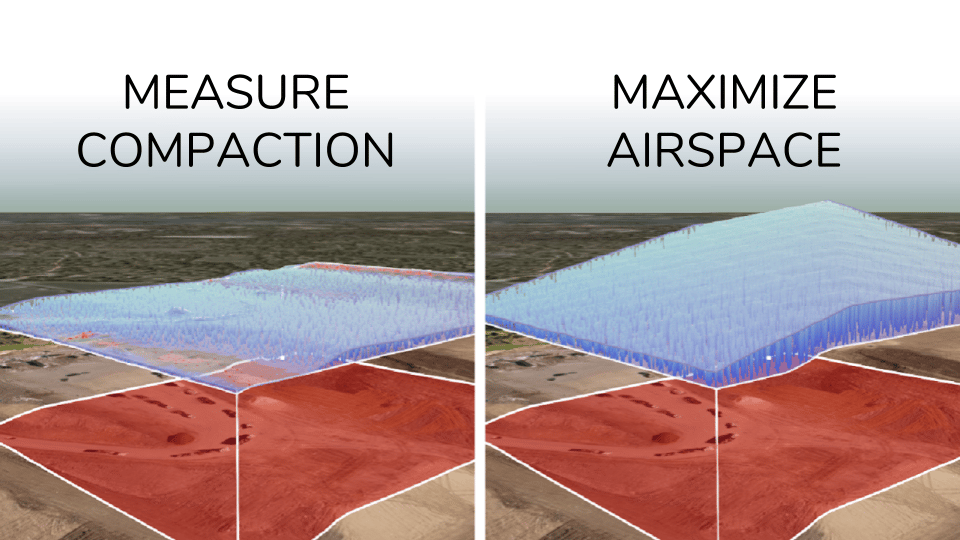
Throughout every earthworks project, site managers need a clear picture of how much earth has been moved and how much still needs to move. Data captured through regular site surveys shows how work is progressing toward the final design. With Propeller’s timeline tool, teams can easily compare surveys captured on different dates. Propeller’s software offers other distinct advantages across the entire earthworks process, including:
Drones are quickly becoming almost as common a sight on earthworks projects as backhoes and excavators. Armed with a drone and an end-to-end solution for processing drone survey data, contractors can generate competitive bids that protect their margins. Continued use throughout the project keeps progress on track and gives stakeholders frequent updates, all at a fraction of the cost of traditional surveying.
We’re happy to show you how Propeller can power your worksite, and boost productivity.