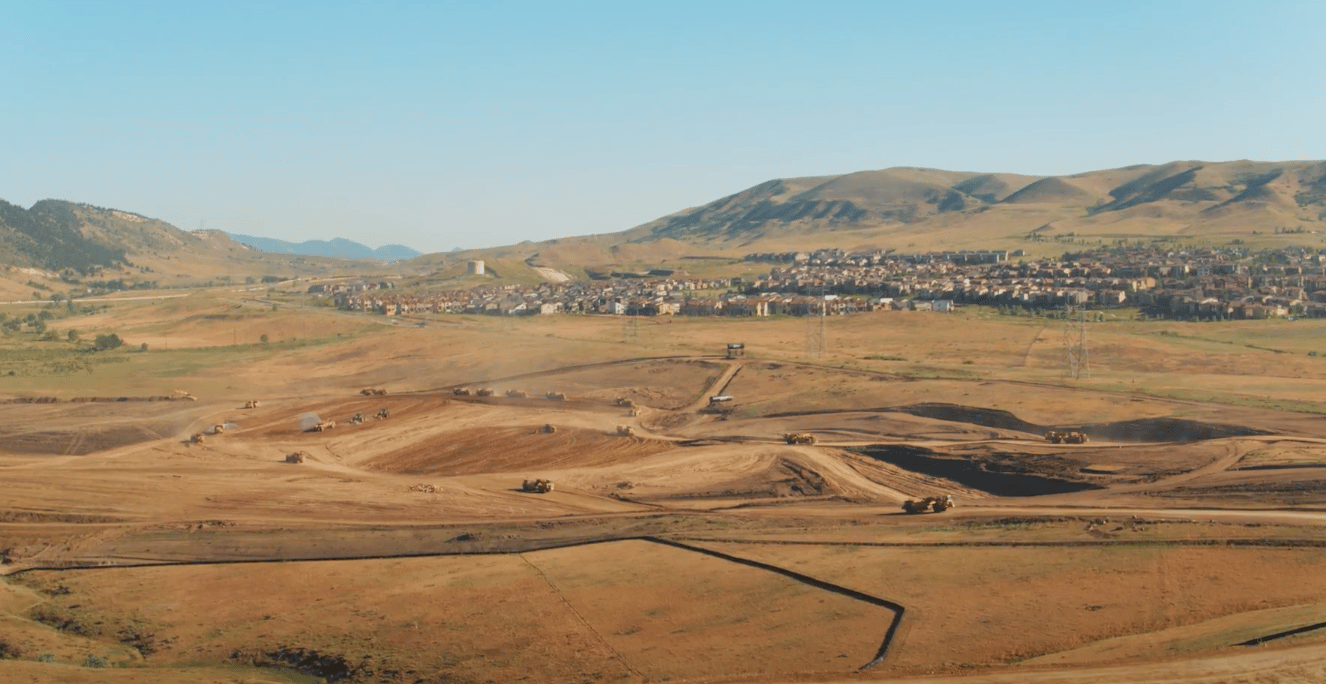
Data is everywhere. Thanks to advanced sensors, drones, artificial intelligence (AI), and the Internet of Things (IoT), we’ve never had more information at our fingertips. A recent report from Autodesk and FMI reveals that the volume of available project data has doubled in the past 3 years—a massive increase from the largely manual methods of the past.
But access to all that information comes at a cost. First, there’s overwhelm—after all, even the best data is only as good as your ability to use it. Then, there’s accuracy. All data is not created equal, and inaccurate data is one of the leading contributors to a well of “bad” project info.
80% of contractors believe that at least 20% (and often far more) of their data is bad, meaning that most firms aren’t making full use of their data because they can’t trust it.
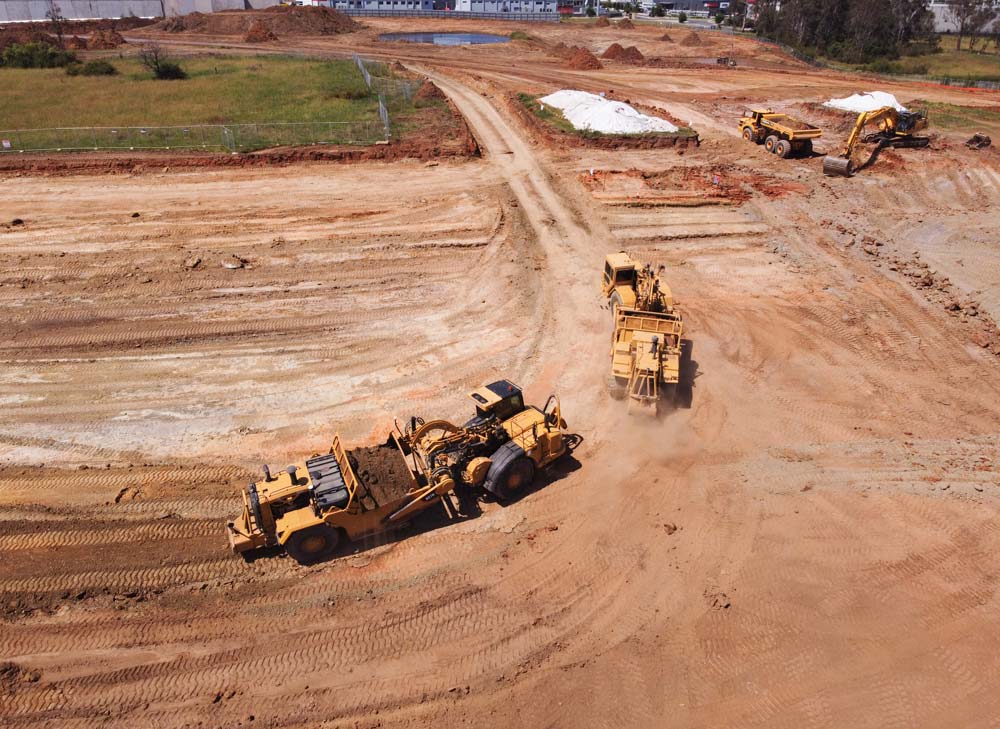
From material waste and schedule overruns to legal disputes, inaccurate worksite data carries high stakes. Usable, high-accuracy data isn’t just nice to have anymore; it’s essential, especially when it comes to winning bids and outperforming competitors.
Here’s why earthworks data that’s simply “good enough” never actually is.
Financial impact
The construction industry lost $1.8 trillion globally as a result of bad data in 2020 alone. Inaccurate and unreliable data was to blame for 14% of all avoidable rework, and a full one-third of bad decisions onsite were made as a result of bad data.
In other words, to a considerable degree, your revenue is determined by the accuracy of your construction and earthworks data.
The financial repercussions of bad data can come in many forms:
- Rework (including time, labor and materials)
- Legal disputes
- Penalties for project delays
- Fines imposed for worksite mistakes
Working with highly accurate data means completing projects correctly the first time, avoiding penalties, and increasing your odds of finishing a project on time and on budget—not to mention getting paid promptly.
Project delays and labor cost
Fewer than 30% of contractors finish projects on time and on budget. That’s not just a common perception—it’s backed by fact. Most contractors spend a quarter of their working hours waiting for other work to be finished.
When equipment and teams aren’t in the right place, or have to wait for other work to finish as a result of poor worksite communication or management, things get expensive, fast.
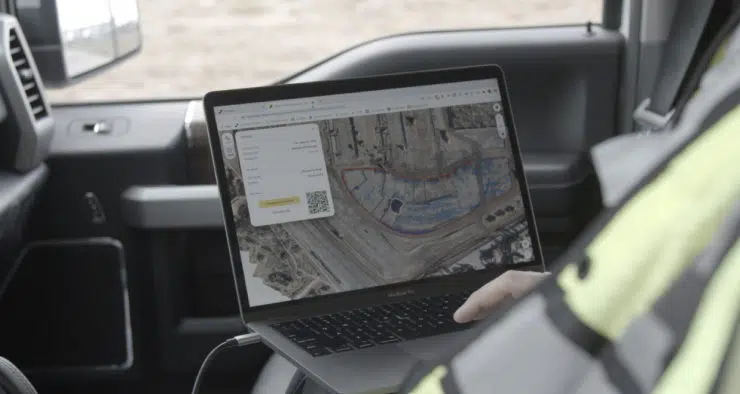
And here’s the catch. Most project delays are preventable—assuming you can leverage the right data. Think about how important site coordination is to a project. If project managers have access to data that’s outdated, overly complicated, or just plain wrong, site coordination won’t go as well as it could.
Now, imagine a worksite with data that’s always highly accurate, up-to-date, and easy to use. Suddenly, you’ve got a site that’s humming along—or, at worst, a team that’s prepared to respond quickly when unforeseeable issues do arise.
Customer dissatisfaction
When your site data isn’t accurate, customers lose confidence in your abilities—and that’s the best case scenario. As one construction management consultant put it, “Contractors are only as good as their last mistake.”
Customer satisfaction is incredibly important in construction. It bolsters your reputation and increases the odds of getting bigger and better contracts down the line. But bad data leads to worksite mistakes and delays, which create dissatisfied customers at best and legal disputes at worst.
The legal implications of failing to survey a site properly and record accurate topographic data can be downright scary. They can make or break small firms, and cost large firms thousands or millions of dollars, depending on severity. In North America, the average length of a construction dispute was nearly 18 months, with an average value of $18.8 million in 2019.