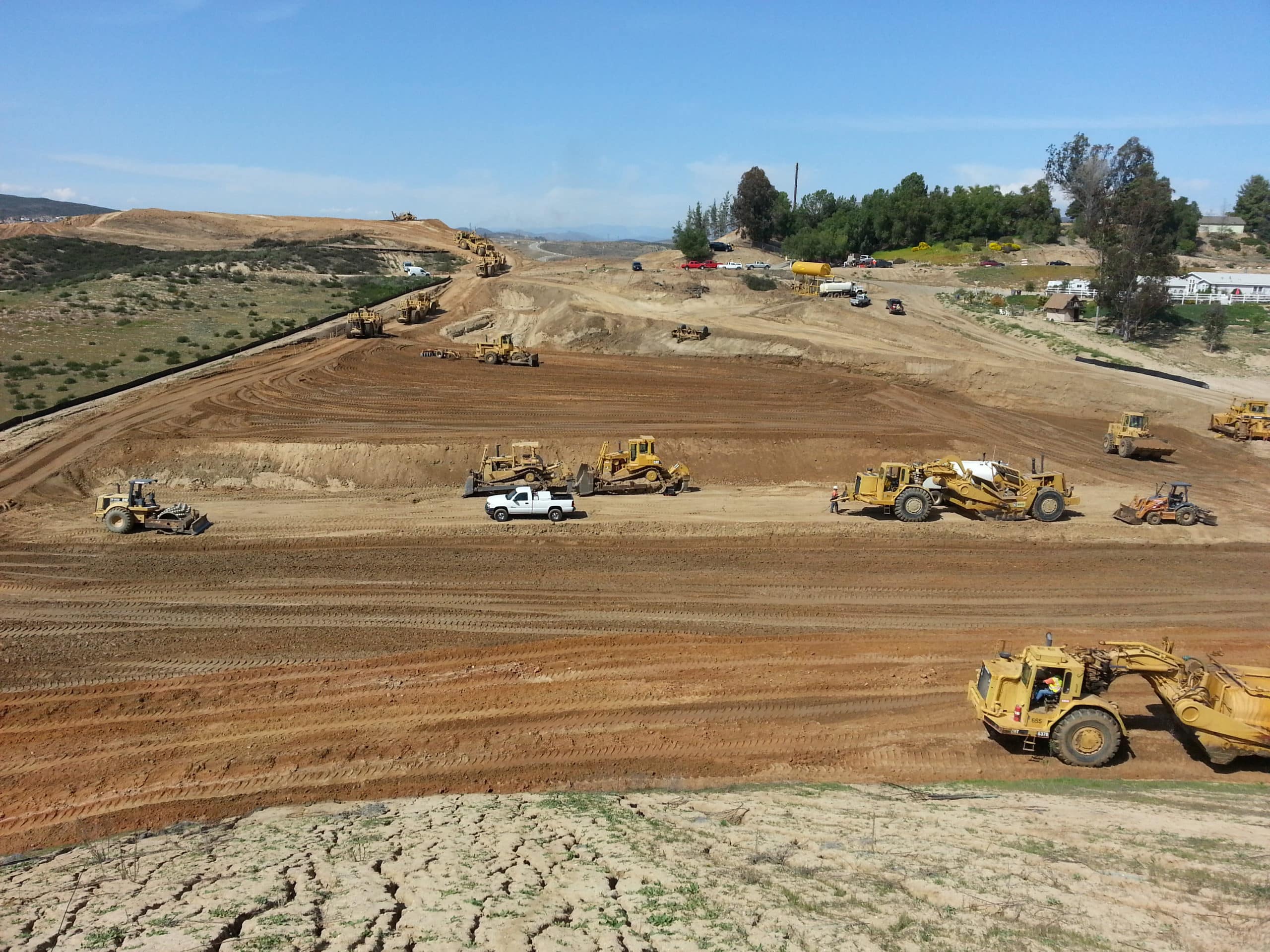
Heat-related safety doesn’t always gather as much attention as other safety concerns on construction sites, but the Occupational Safety & Health Administration (OSHA) plans to change that this year. The three-year average of workplace deaths caused by heat has doubled since the early 1990s, marking a growing hazard for millions of workers in the United States alone.
OSHA recently launched a new program to protect workers from illnesses and injuries caused by high heat conditions. Here, we’ll explore these changes and also how drone surveying can help play a role in keeping your workers safe in hot temperatures.
Upcoming OSHA inspections will turn up the heat
In May 2022, OSHA announced a new national emphasis program focused on heat-related hazards. The administration plans to conduct workplace inspections in search of dangerous conditions that could cause preventable heat-related injuries, illnesses, or even fatalities. The initiative is part of a continued effort to establish a heat illness prevention rule in the U.S.
As part of this program, OSHA will inspect indoor and outdoor work settings in more than 70 high-risk industries, including earthworks and heavy civil construction. On days when the heat index reaches 80 degrees or higher, OSHA will engage in proactive outreach and technical assistance to help companies keep their workers safe on the job.
Inspectors will be searching for “heat hazards” and examining how contractors uphold current requirements under OSHA regulations. Currently, employers are responsible for protecting workers from known safety hazards, including thermal extremes.
Any worksite where workers could be exposed to high temperatures must have a complete heat illness prevention program designed to:
- Provide water, rest, and shade for workers
- Allow new or returning workers to gradually increase their workload and take more frequent breaks as they build a tolerance for the heat
- Plan for emergencies and train workers in prevention
- Monitor for signs of heat-related illness
Surveying with drones can help you beat the heat
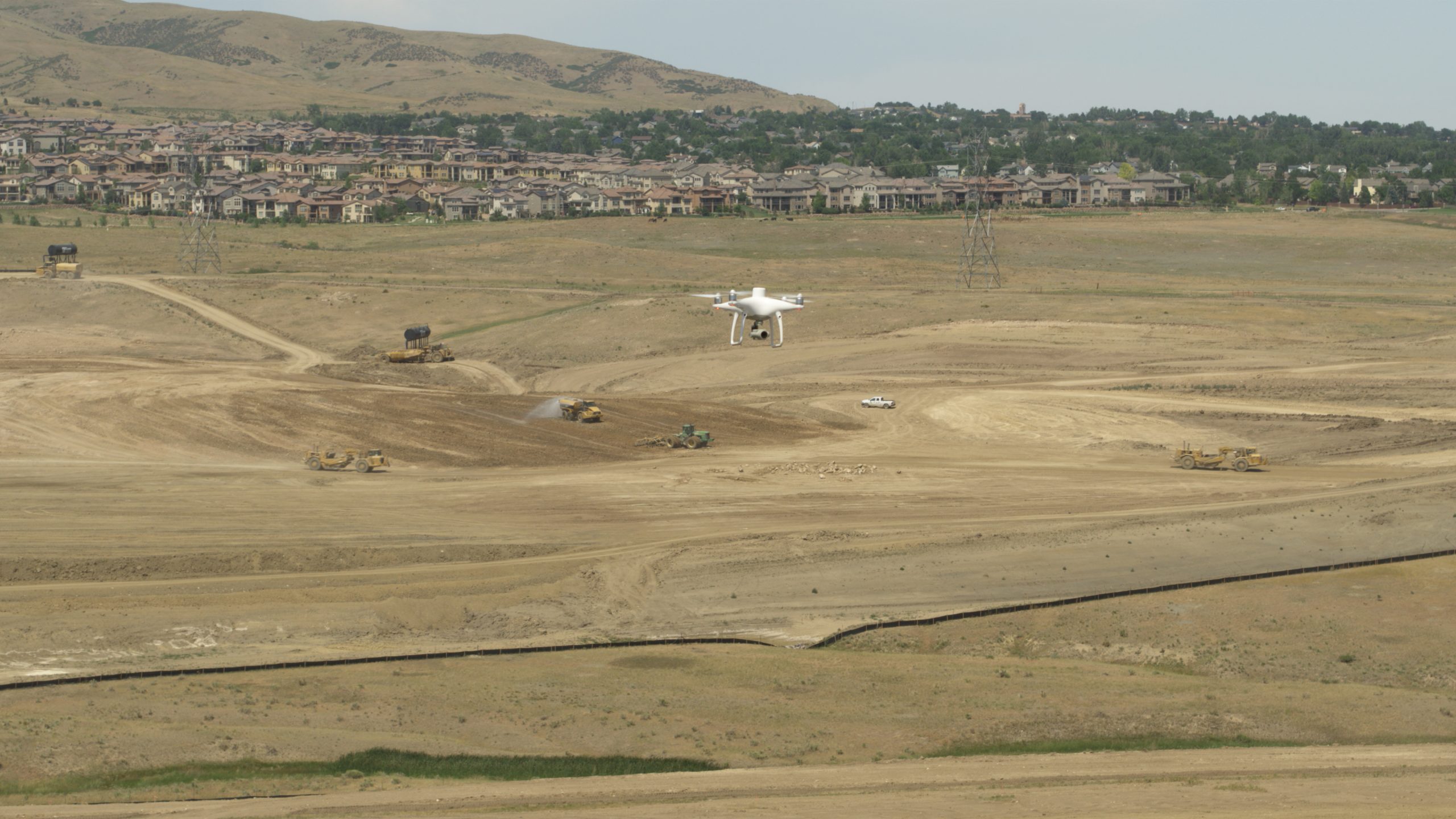
While drone surveys aren’t directly responsible for maintaining worker health, replacing traditional base and rover survey methods with drone-enabled alternatives can have a definite, positive impact.
Traditional surveying involves lots of time in the field, often on unshaded and exposed terrain that may even be unstable. These manual surveys often require hours or days in the field to complete, so exposure to harsh conditions for extended periods is not uncommon for surveyors.
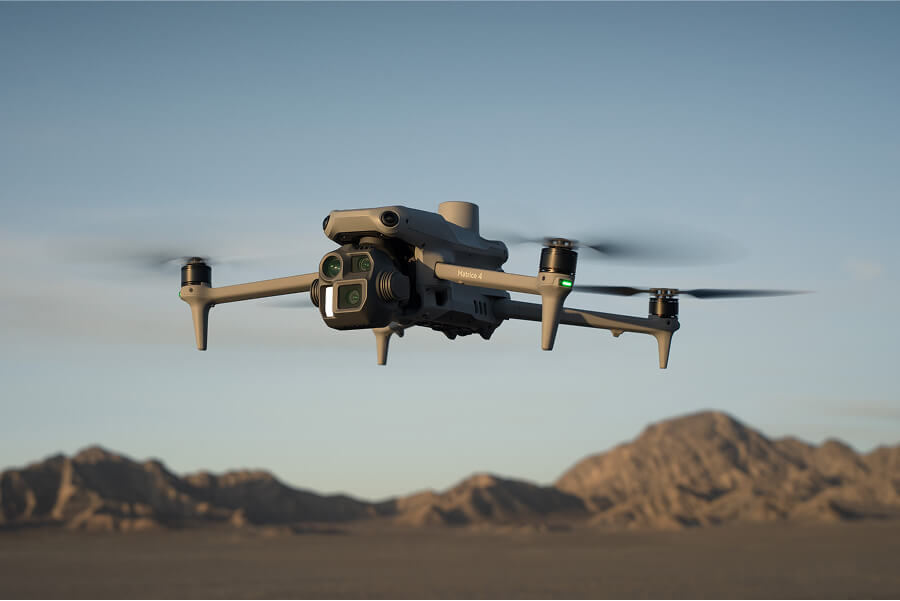
Compare this to a modern surveying workflow enabled by a drone technology solution like Propeller PPK:
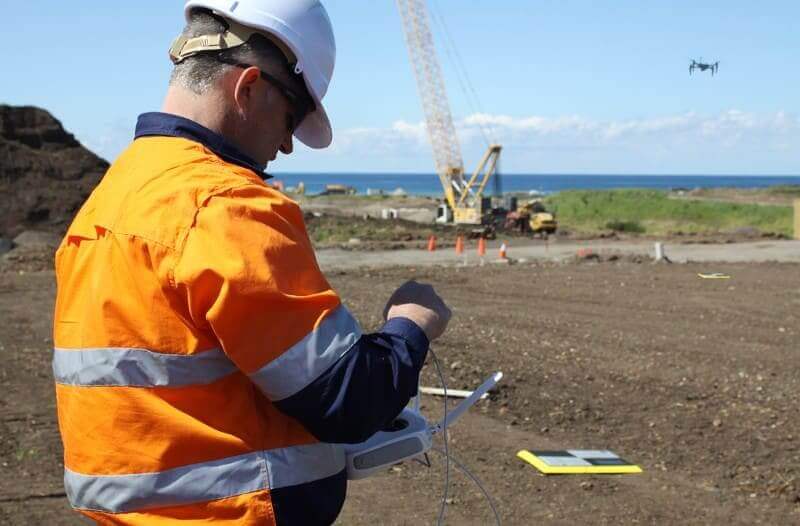
- Less time in the field: With flight times as short as ten minutes, what used to take hours or even days becomes as simple as programing a mission and flying your drone. Pilots can operate their drone from a shaded area while it flies the site under the heat of the sun. Bright, sunny days may not represent ideal conditions for people as temperatures soar, but drones thrive in hot and dry weather.
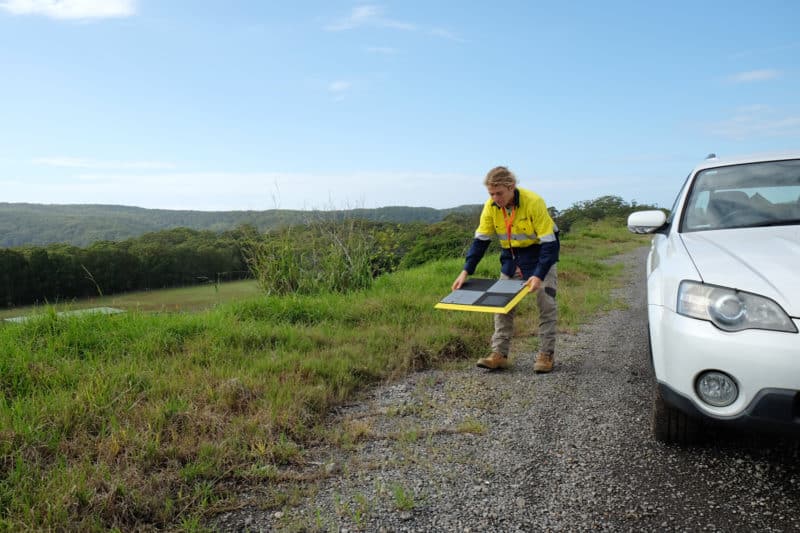
- Solar-powered ground control: The energy produced by the sun is also an asset for AeroPoints, Propeller’s smart ground control points (GCPs). Our PPK workflow eliminates the need to manually shoot GCPs, regardless of weather. Instead, workers can place an AeroPoint on the ground near their launch site. Using solar power, the AeroPoint will serve as both ground control and a base station to boost the drone’s geospatial data accuracy.
How drones make worksites safer, one flight at a time
Keeping workers safe from the heat is far from the only safety benefit of a drone surveying program. Here are just a few of the ways drones keep earthworks sites safe:
- Stay on solid ground: Flying a drone enables surveyors to stay on stable ground while the drone navigates dangerous terrains and slopes. This also keeps workers clear of busy worksites with a lot of heavy equipment in motion.
- Pass OSHA inspections: A drone surveying program with the above benefits is a clear step toward preventing heat-related illnesses on site.
- Boost worker morale: The historic labor shortage means that companies need all the help they can get. High employee turnover is a risk most contractors simply cannot afford to take. Contractors who use cutting-edge tech, like drone programs, can attract and retain workers better while also improving morale by allowing them to add new skills.