Stop design changes from turning into rework.
See how to upload an updated design, quantify what changed, and share one link the team can trust—complete with “on record” proof moments.
Key benefits
Reduce rework risk
Make change scope visible and specific so teams build to the latest plan, not assumptions.
Quantify impact fast
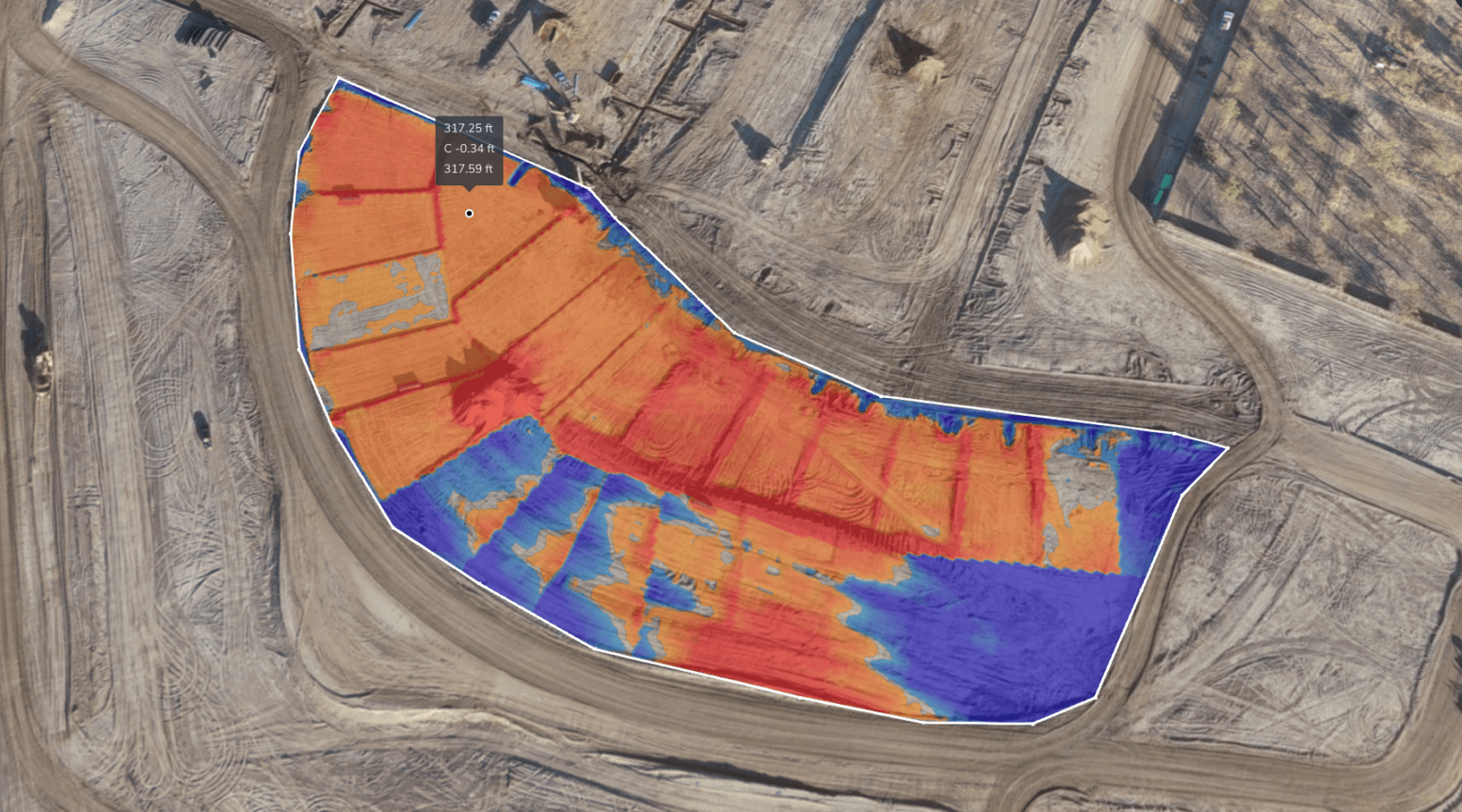
Use cut/fill deltas to turn “how much changed?” into a factual number.
Align office + field
Share one link that keeps everyone looking at the same reality (less back-and-forth).
Stay on record
Keep a time-stamped, high-precision trail you can use for disputes, billing, and change orders.
How it works
Step-by-step
- Archive the old design
- Upload the new design
- Run cut/fill to design or surface comparisons to quantify what changed and where
- Add context (annotations/markup) to highlight risk areas and intended actions
- Share one link / export proof so everyone is aligned—and you have a record for stakeholders and claims
- Use the mobile app to view the latest design in the field

I really like having a subgrade surface, a finish grade surface, and an existing, and comparing that throughout the project,”
Your role across every phase
Propeller isn’t a point solution. It’s a command center for project managers that connects your office to the field.
Existing ground capture
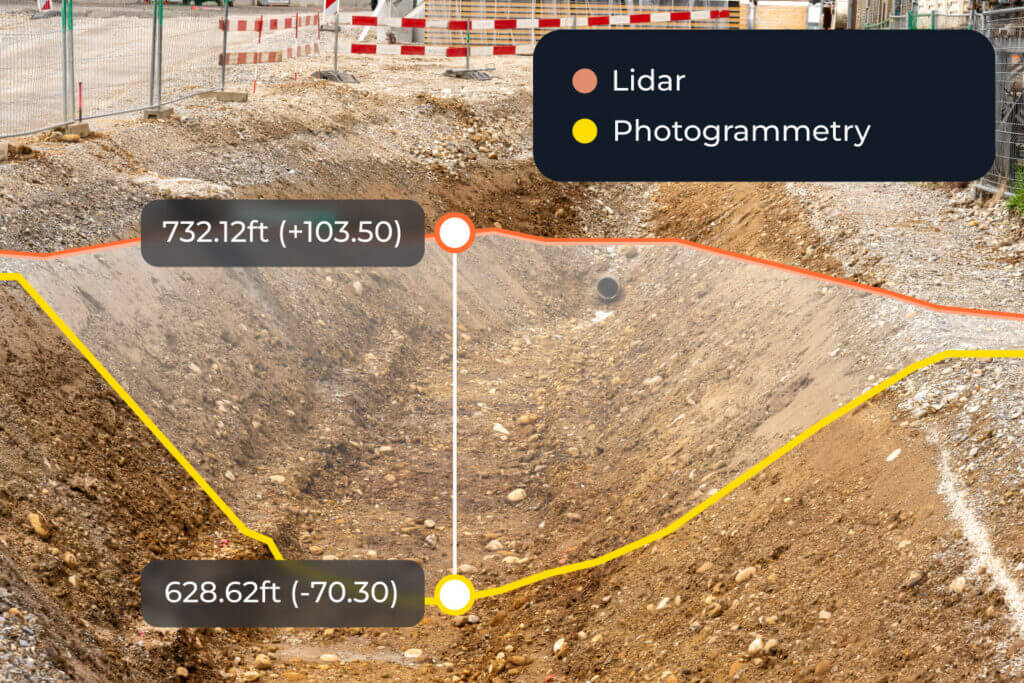
Lock in a defensible baseline before the first machine turns. Verify bid quantities and build your plan on ground truth, not assumptions.
Progress tracking
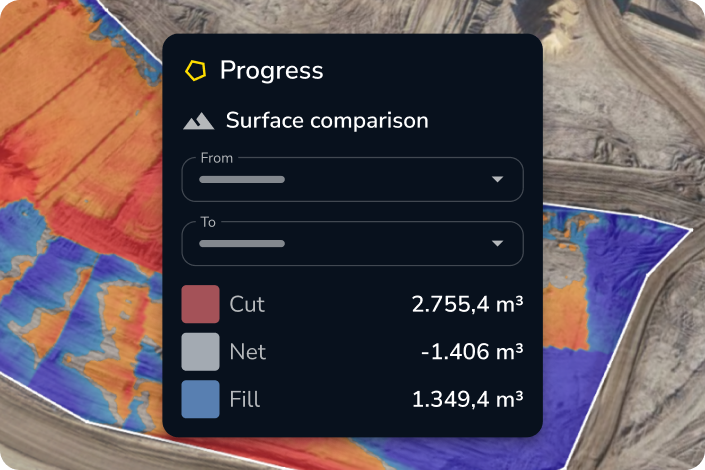
Track cost and bid schedule in real time. Surface production data to protect profit margins and build the documentation trail for change orders.
Design conformance + as-built verification’
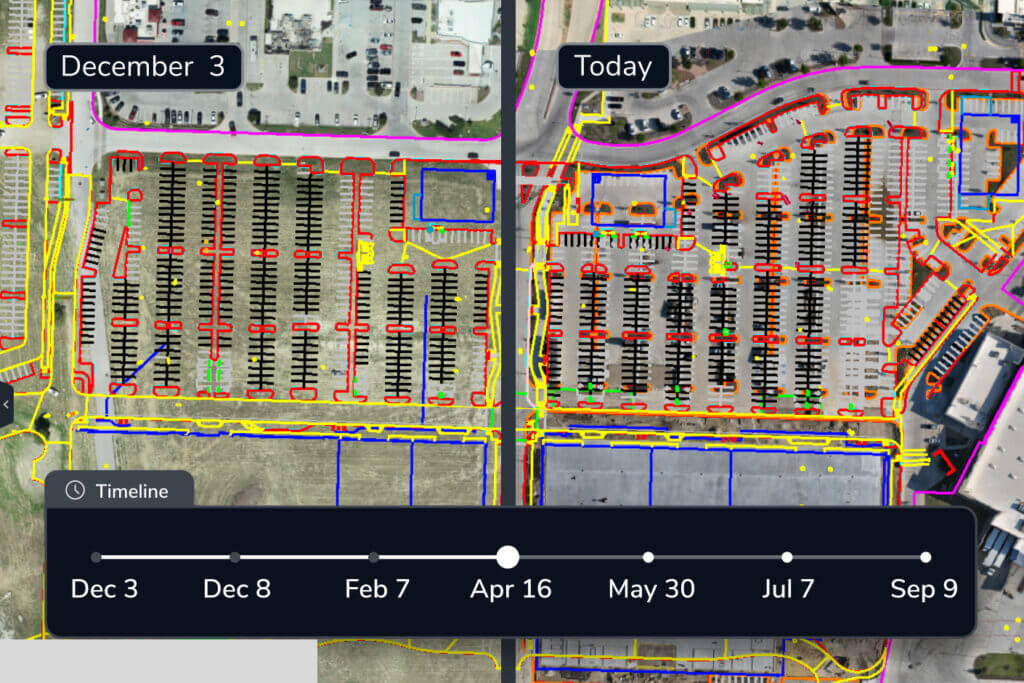
Eliminate expensive rework by verifying site progress against design. Deliver quality control your team and client can stand behind.
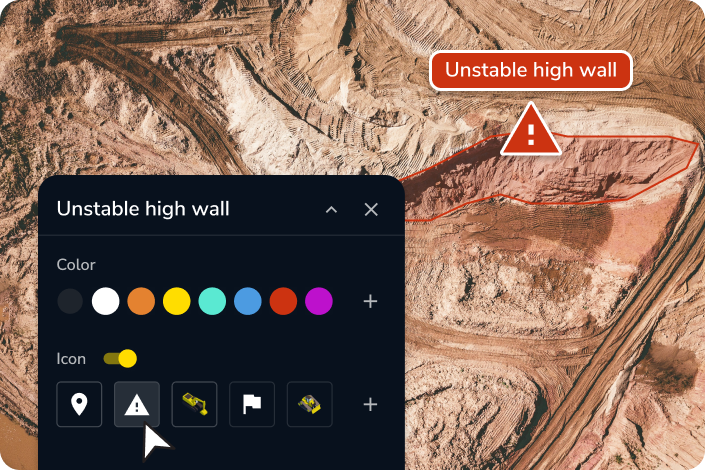
Safety + agency compliance
Build an automatic digital paper trail of timestamped surveys and records ready for audits and disputes without extra admin overhead.
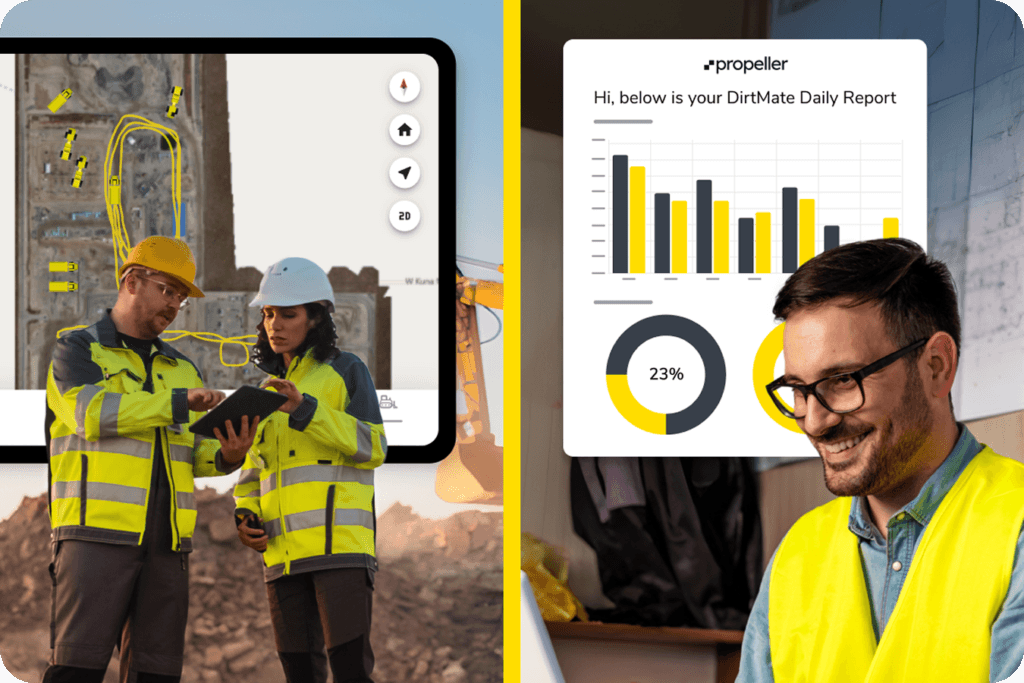
Field to office, office to field
Stop chasing field updates. Push design intent to the field and pull real-world data back to the office so decisions are based on what’s actually happening.