How often should you audit aggregate inventory? A quarry manager’s guide

Read Time: 3 mins
Quick links
    Close-up of stacked horizontal layers in a cut bank of sediment and aggregate Title: Layers of time

    Most quarries and aggregate operations should audit stockpile inventory monthly, because monthly measurement catches drift before it becomes a write-off and stays affordable with a drone workflow, while quarterly is usually too infrequent to protect the number and high-throughput or high-value sites can justify weekly. The piece works through the money math, showing how a 10,000-ton gap across sites hides $60,000 to $70,000 in inventory, reframes audit frequency as risk management rather than overhead, and explains how a drone workflow makes monthly cadence realistic.
    For most quarries and aggregate operations, you should audit stockpile inventory monthly. Monthly measurement catches drift before it becomes a write-off, keeps your books close to what is actually on the ground, and stays affordable when you use a drone workflow instead of a manual survey. High-throughput sites or high-value materials can justify weekly, and quarterly is usually too infrequent to protect the number.

    The reason comes down to money, not operations. Here is the math that makes monthly the right default.

    The real cost of measuring less often

    Every day between audits is a day you are running on an estimate. The longer the gap, the more that estimate drifts from reality, and in aggregates the drift is denominated in dollars.

    Picture a group of sites where the books are off by 10,000 tons in total. At $6 to $7 per ton, that is a $60,000 to $70,000 gap sitting inside your inventory, and it compounds quietly. Overstated piles make the balance sheet look healthier than it is until reconciliation forces a correction. Understated piles hide material you have already paid to produce. Neither shows up until someone measures, and if that only happens quarterly, the problem has three months to grow before anyone sees it.

    This is the pattern our team walked through in closing out the year with more accurate stockpile reconciliations: the year-end surprise is almost always the sum of small, uncaught drifts.

    Quarterly, monthly, or weekly?

    Quarterly (4 times a year). This is where most cost-limited operations land when they rely on manual surveys, and it is the riskiest common cadence. A pile can swing by thousands of tons between counts, so your numbers are stale for most of the year and reconciliations become an exercise in explaining variance rather than preventing it.

    Monthly (12 times a year). The sweet spot for most sites. Drift gets caught within weeks, not quarters, so corrections are small and routine. Monthly volume calculations keep your reported inventory tracking closely with the ground, which is what makes the number defensible when finance or an auditor asks.

    Weekly or better. Worth it for high-throughput sites, fast-moving or high-value materials, or anywhere a few days of drift represents serious money. The barrier used to be cost. With a drone workflow, weekly is now realistic.

    Frequency is risk management, not overhead

    It is tempting to treat inventory audits as a compliance chore, a box to tick before month-end. In aggregates, frequency is closer to insurance. Each audit is a checkpoint that keeps a small error from becoming a large one, protects your margins from surprise corrections, and gives you a timestamped record to fall back on in a dispute.

    That reframing matters most at the top of the house. A site manager sees a survey; an owner sees cash flow, risk, and the integrity of the number the business is billing against. Measuring monthly is how you keep all three honest, which is why teams across aggregates and mining are moving audits from an annual event to a standing rhythm.

    How to make monthly actually affordable

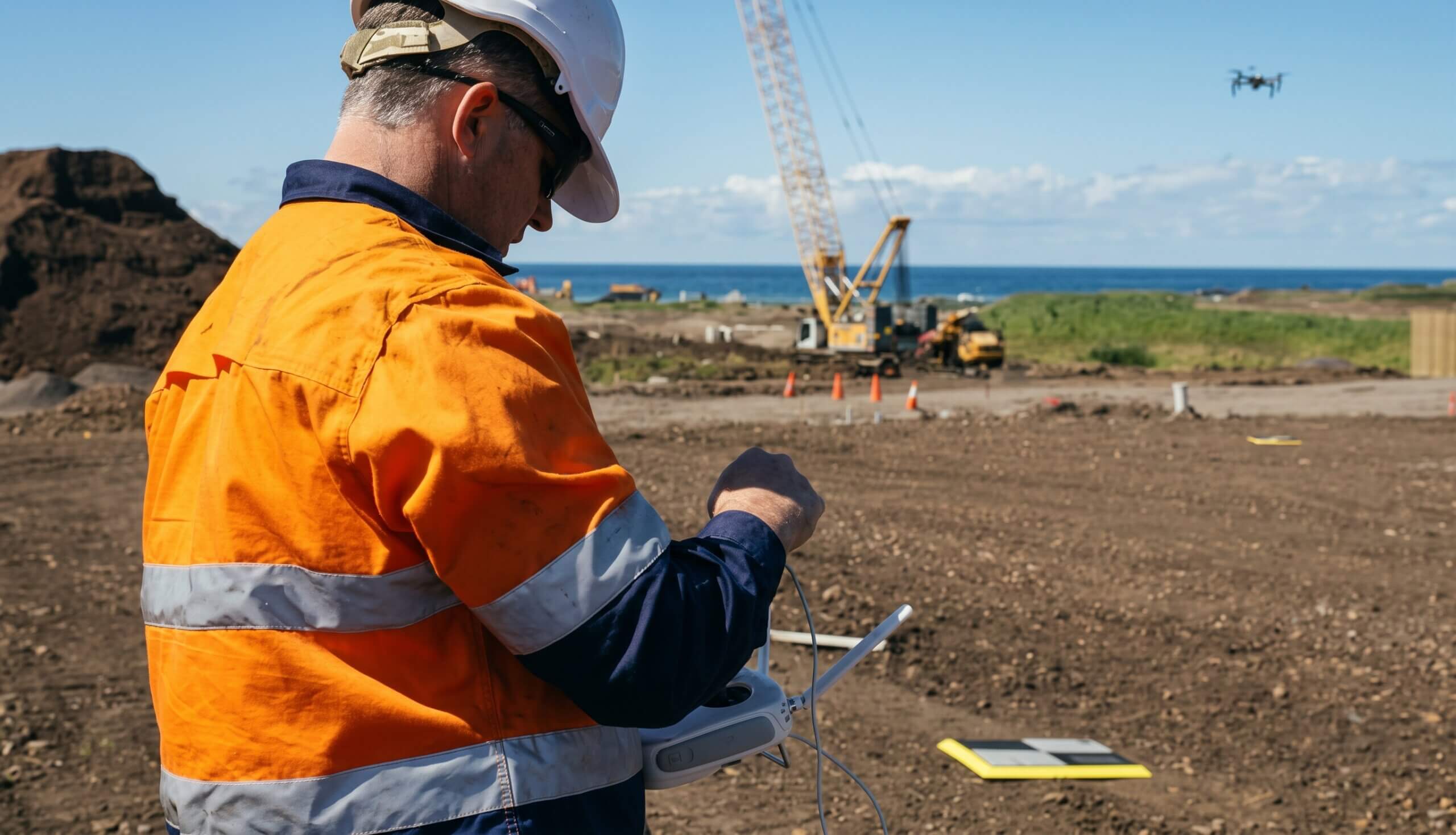
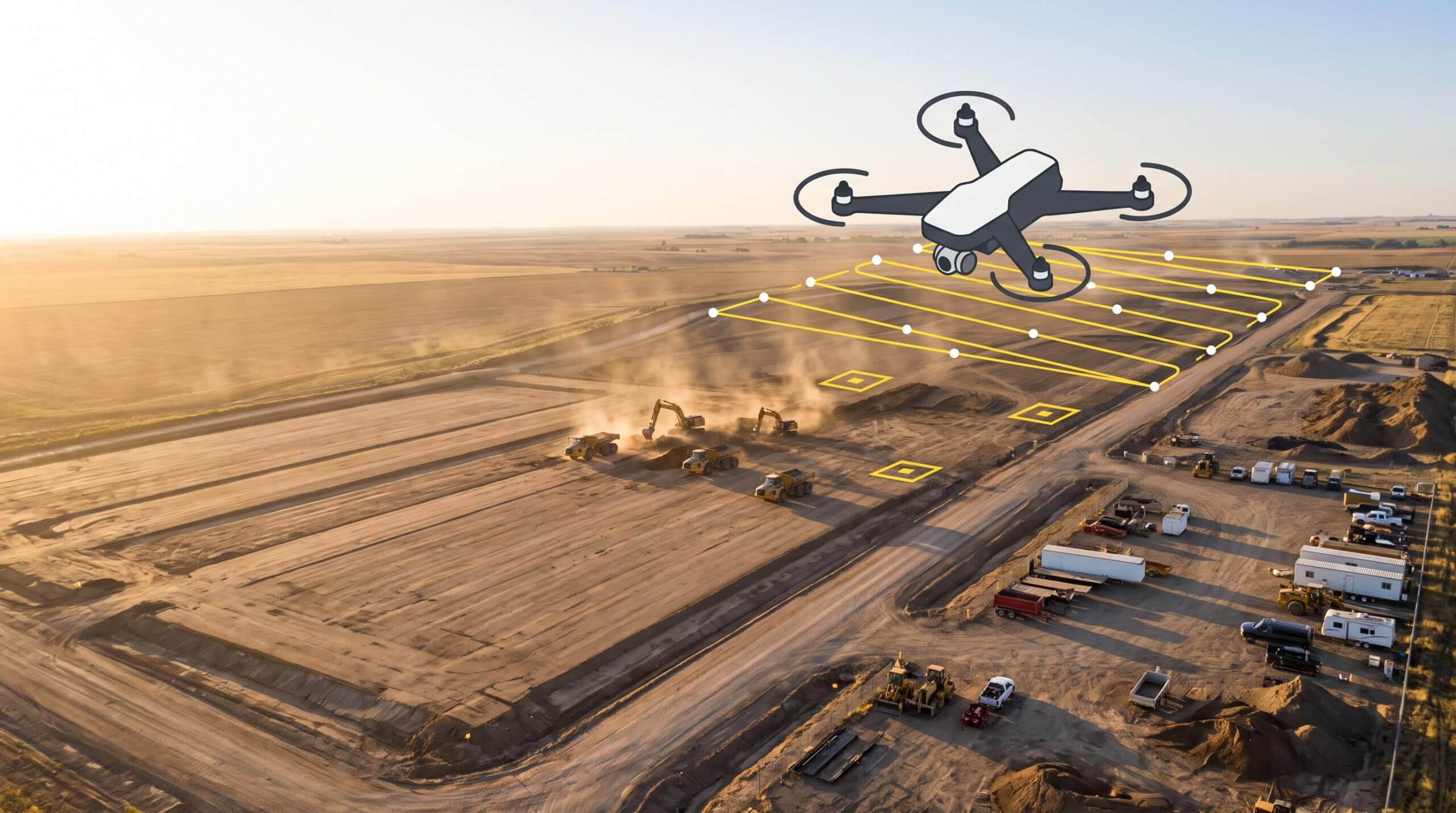
    Monthly only works if measuring is cheap and fast, which is exactly what a drone workflow makes possible. A flight takes under an hour, ground control from AeroPoints or a PPK drone mapping workflow keeps every survey accurate to 97–99%, and offloading the heavy lifting to a proven survey processing pipeline means you are not adding headcount to keep the cadence.

    From there, the numbers live in one place. Repeatable audits run on the Propeller Platform, and progress tracking lets you see how each pile changes month to month so drift is obvious the moment it appears. Self-serve access means plant managers pull their own volumes instead of waiting on a survey crew, which is what turns a monthly audit from a scramble into a routine.

    Frequently asked questions

    How often should you audit aggregate stockpile inventory?
    Monthly is the right default for most operations. It catches drift within weeks and keeps reported volumes close to what is on the ground. High-throughput or high-value sites may benefit from weekly audits.

    Is quarterly stockpile auditing enough?
    Usually not. A pile can drift by thousands of tons in three months, so quarterly audits tend to surface problems too late to prevent a write-off.

    Can drones make monthly audits affordable?
    Yes. A drone flight takes under an hour and a report lands within 24 hours, which makes frequent, accurate volume calculations practical without extra survey crews.

    Quick links

      Related articles

      Promoting Sustainability in Earthworks with Drone Technology

      Drone surveying is quickly becoming an integral part of many construction and civil engineering projects. …

      3 Most Common Communication Challenges on Worksites (And How Tech Can Help)

      Communication is an essential ingredient in making any construction project successful, and the stakes are…

      Managing Digital Data in the Cloud: Key Benefits for Earthworks Contractors

      Cloud-based technology has consistently grown in popularity over the last several years, and for good…

      Ready to learn how Propeller can power up your worksite?

      We’re happy to show you how Propeller can power your worksite, and boost productivity.

      Related articles

      Drone pilot in hi-vis flying a drone next to a crane, with an AeroPoint on the floor.

      Things To Know About Ground Control in Drone Surveying

      Ground control is the go-to option for turning drone data into highly accurate, survey-grade models.…
      DJI M4E flying in the sky

      Propeller’s Drone Guide: DJI Solutions for Commercial Operations

      At Propeller we love testing new drone hardware and we are processing hundreds of drone…

      Telecom Tower Inspection using DJI Phantom 4 Pro: Step-by-Step Guide

      A few weeks ago a new DJI Phantom 4 Pro was delivered to our office.…